


|
Quantity
|
Out of stock
|
||
|
|
|||
|
|
|||
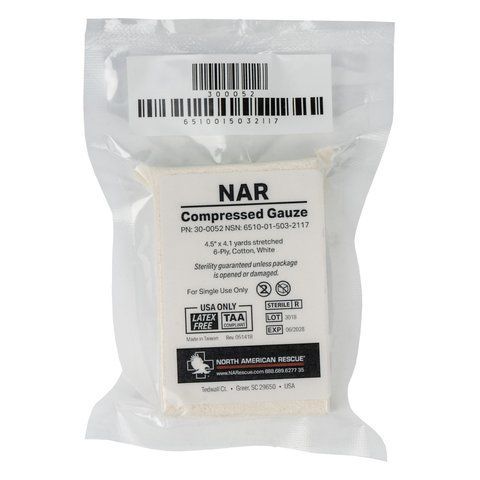
A wound packing bandage is one of the key tools in tactical medicine because it allows rapid control of massive bleeding. Thanks to its dense structure and ability to create localized pressure inside a wound, the bandage provides effective hemorrhage control even without advanced equipment. It is a simple yet highly effective tool included in standard medical kits and used by both military personnel and civilian rescuers. Compact, sterile, and intended for single use, it is highly practical in field conditions and real combat situations.
Who It Is Intended For
It is used by combat medics, paramedics, and rescue services in cases of severe bleeding. It is especially useful in field conditions, during combat operations, accidents, or disasters where there is a risk of major blood loss. Due to its ease of use and compact size, it is an essential component of an individual first aid kit for soldiers and rescuers, providing effective assistance in critical situations. Its primary purpose is rapid casualty stabilization and life preservation until evacuation.
Main Features
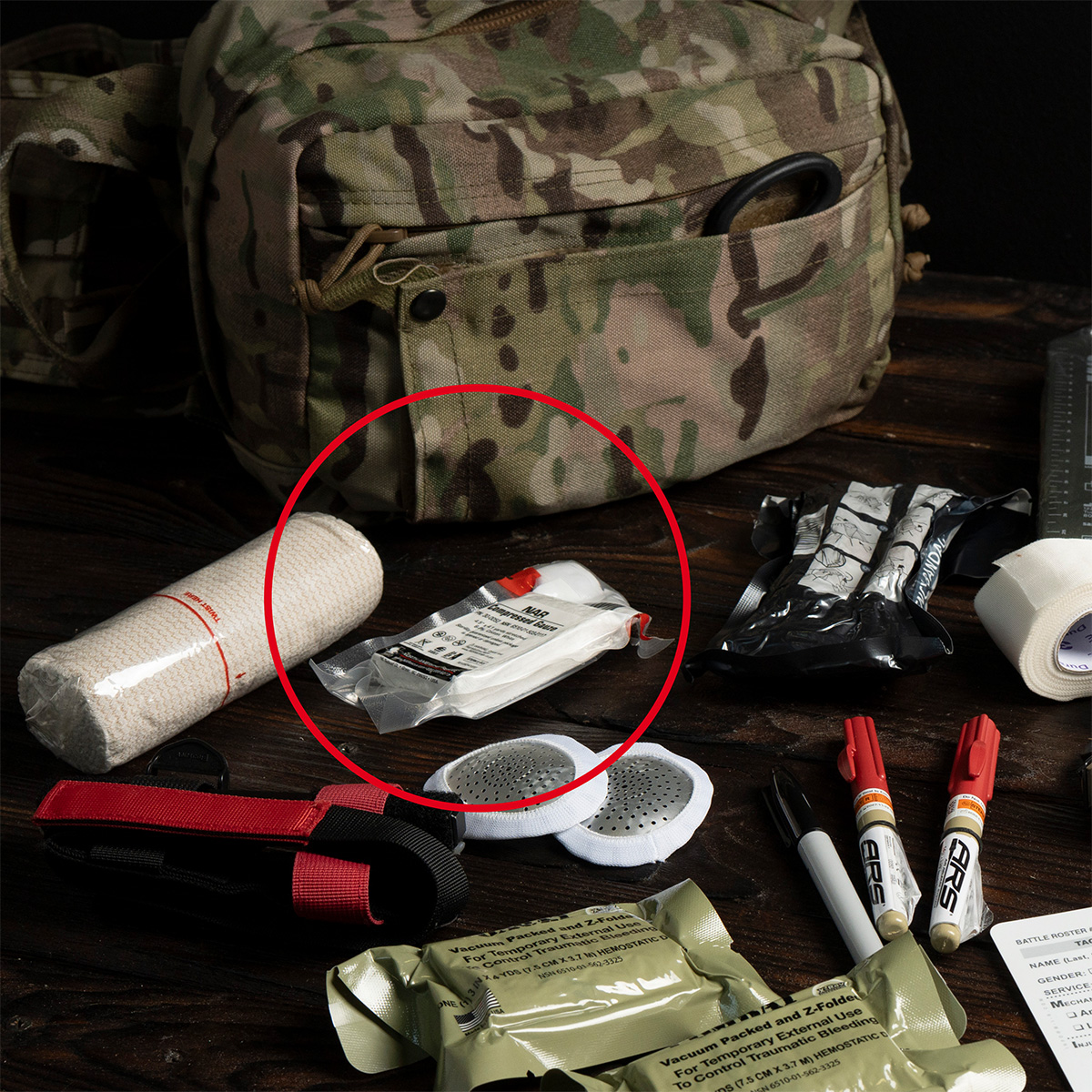
— Sterile packaging: each bandage is individually packaged to ensure safe use and minimize the risk of infection.
— Suitable for field conditions: specifically designed for tactical medicine, capable of withstanding harsh conditions and compliant with TCCC requirements.
— Material: made from high-quality cotton or viscose, allowing the wound to be tightly packed while maintaining pressure. This helps stop bleeding faster and prevents the bandage from tearing during insertion.
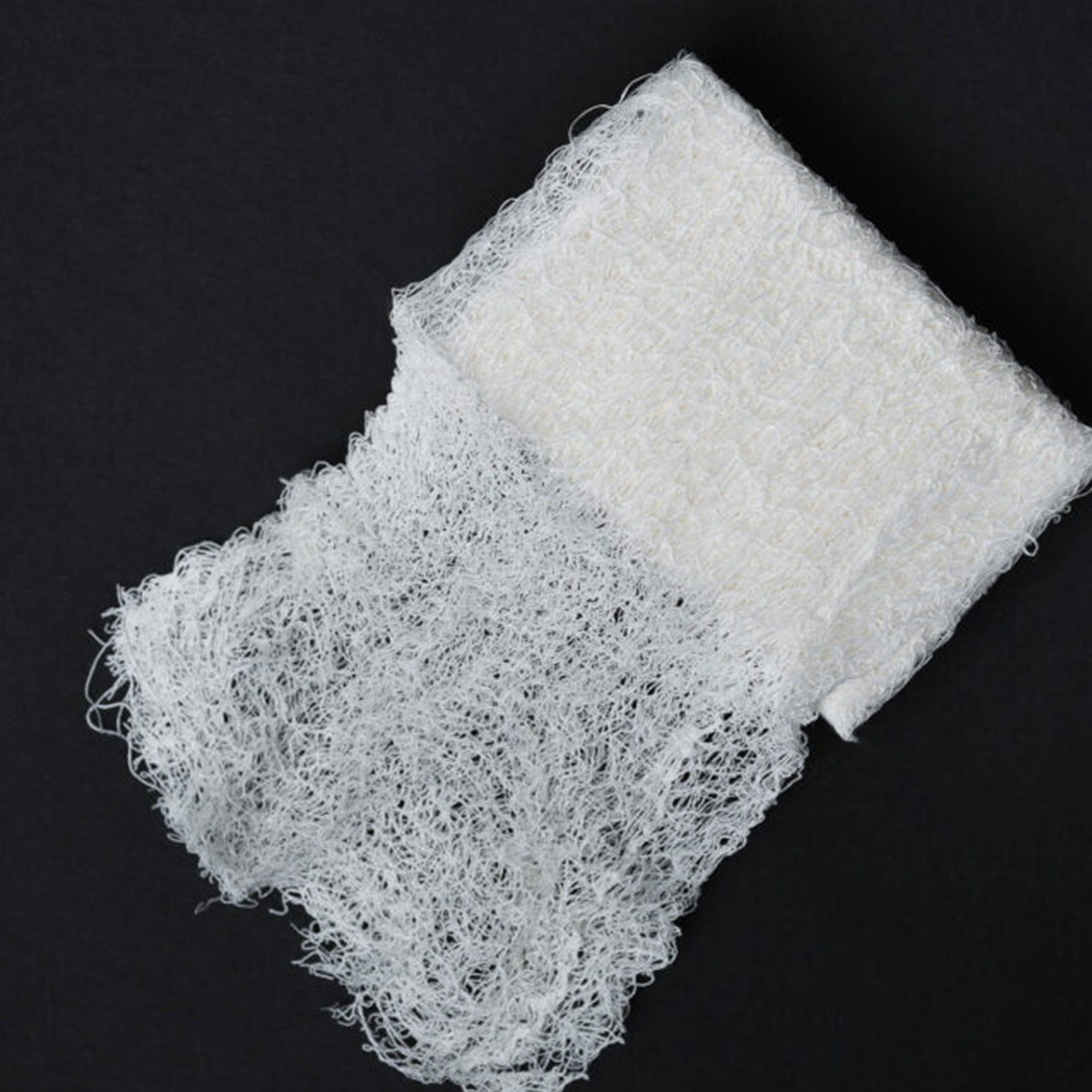
— Single-use application: designed for emergency care and disposed of after use, eliminating the risk of reuse and contamination.
— Easy wound insertion: the structure of the bandage allows rapid wound packing without additional tools, even under stressful conditions.
— Functional feature: a high-quality tactical bandage is folded in a “Z-fold” configuration rather than rolled. This allows rapid deployment directly into the wound without unrolling or contaminating the material..
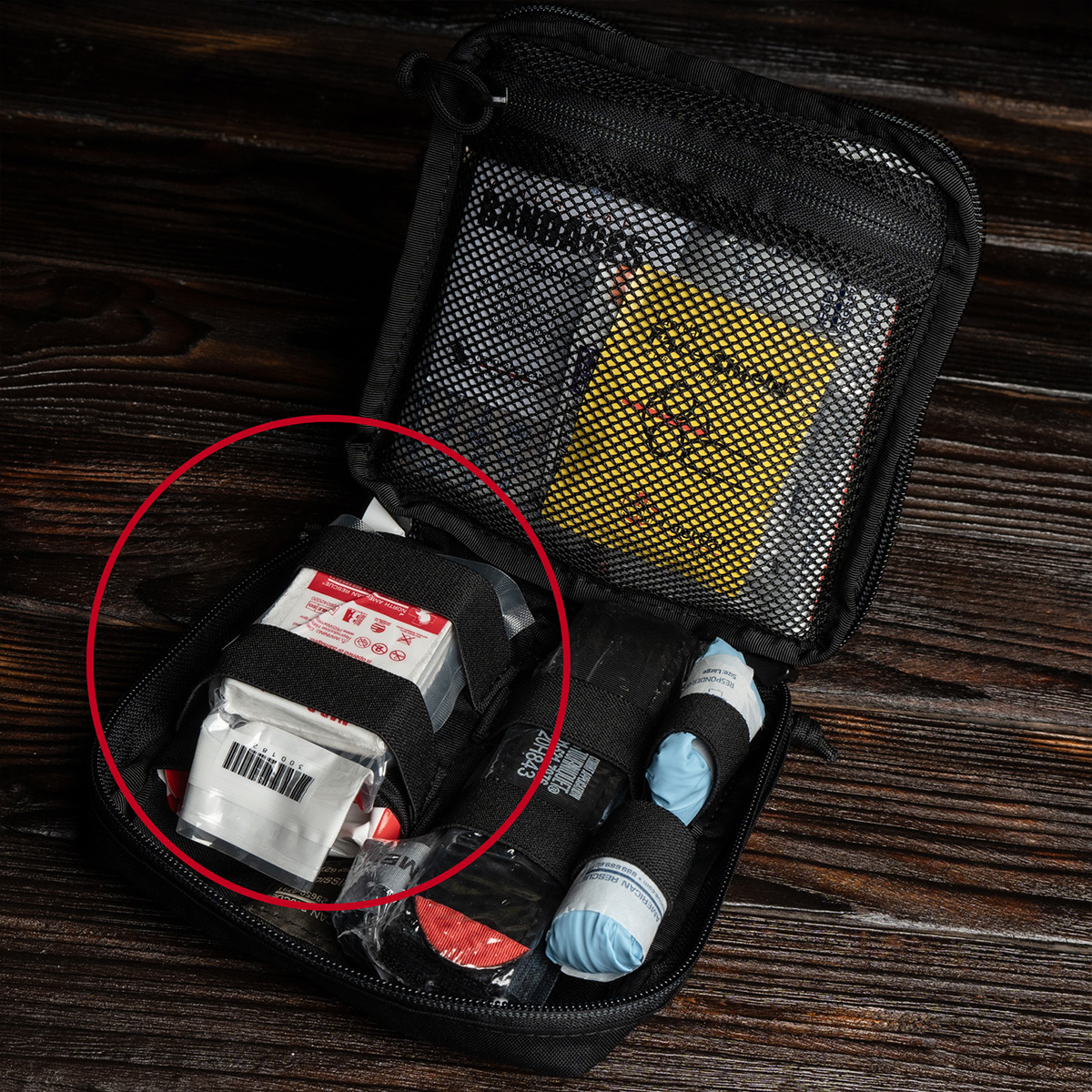
— Compact size: easily fits into an individual first aid kit or pocket, taking up minimal space while remaining readily accessible in critical moments.
— Additional safety: most tactical bandages include an X-ray detectable thread so hospital staff can confirm that all material has been removed from the wound.
— Types of bandages: standard sterile compressed gauze and hemostatic gauze impregnated with special agents such as chitosan or kaolin (e.g., QuikClot or Celox). Hemostatic agents significantly accelerate blood clotting.
Quality Standards
Manufacturers comply with tactical medicine requirements and TCCC protocols governing hemorrhage control products in combat conditions. Each product undergoes sterility control and testing to ensure compliance with international standards. This guarantees that the bandage will be an effective emergency aid tool in combat and field environments. Thanks to its compactness and ease of use, it is included in individual first aid kits and used by both military and civilian rescuers.
How to Choose
The main selection criteria are material quality, density, and ease of use. The bandage should be compact, sterile, and intended for single use. It is important that it complies with tactical medicine requirements and provides effective bleeding control in critical conditions.
Frequently Asked Questions (FAQ)
Can it be reused?
No, the wound packing bandage is intended for single use only.
Is it included in a standard first aid kit?
Yes, it is an essential component of an individual soldier’s first aid kit.
How does a wound packing bandage differ from a regular bandage?
It has a denser structure and is designed to fill a wound cavity rather than simply secure dressings.
Can civilian rescuers use it?
Yes, after appropriate training.
When is wound packing used, and where is it prohibited?
Wound packing is performed only in areas where a tourniquet cannot be applied (junctional bleeding: groin, armpits, neck) or as a supplement to a tourniquet. Packing of the abdominal or chest cavity is prohibited.