

|
Quantity
|
Out of stock
|
||
|
|
|||
|
|
|||
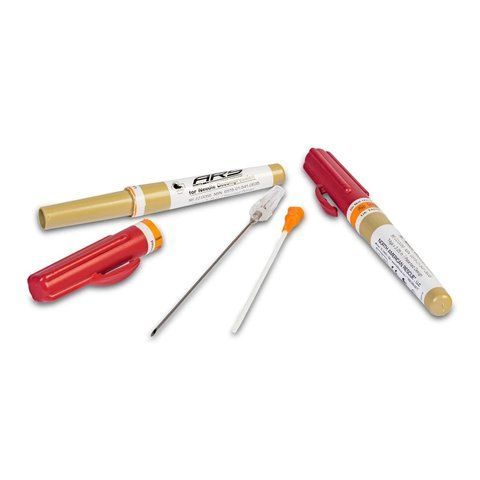
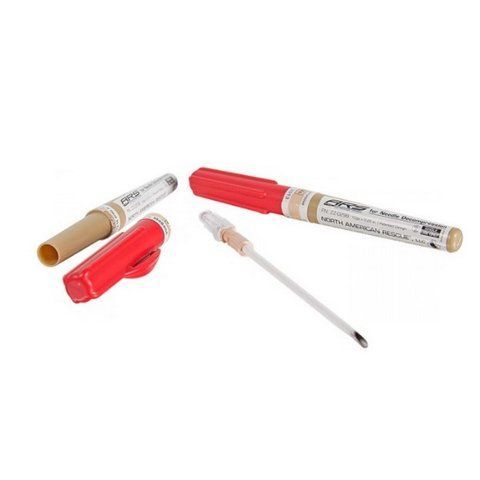
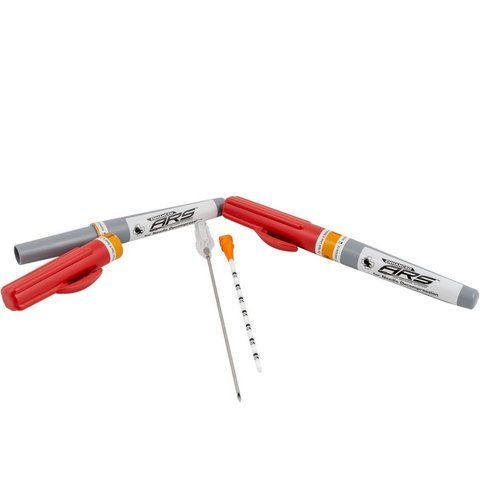
In tactical medicine, a decompression needle is a first-aid tool used for life-threatening chest injuries. It allows rapid relief of dangerous pressure on the lungs and heart, which can save a casualty’s life before evacuation arrives. Its value lies in its ease of use and effectiveness in extreme conditions.
Who Needs It and Where It Is Used
Decompression needles are used by military medics, paramedics, and rescue personnel in combat zones and emergency situations. They are intended for rapid treatment of chest trauma when there is a risk of tension pneumothorax. They are used both in field conditions and during casualty evacuation.
Main Characteristics
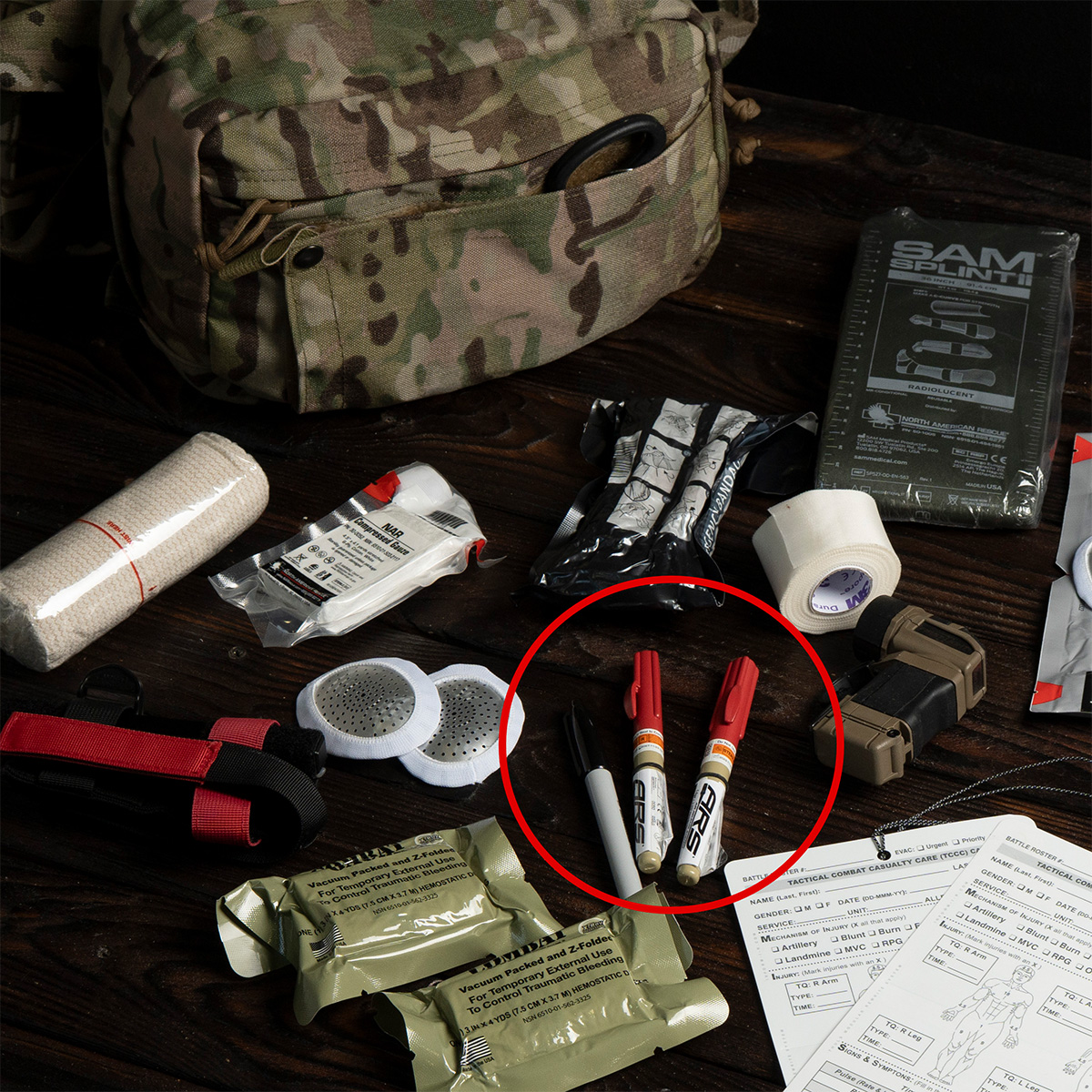
— Gauge:14G — the classic TCCC standard with a smaller diameter, suitable for most patients and commonly included in many medical kits. 10G — a modern alternative with a larger diameter that allows faster and more effective air release and is less likely to become clogged with blood or tissue.
— Single-use application: disposed of after the procedure to eliminate the risk of infection..
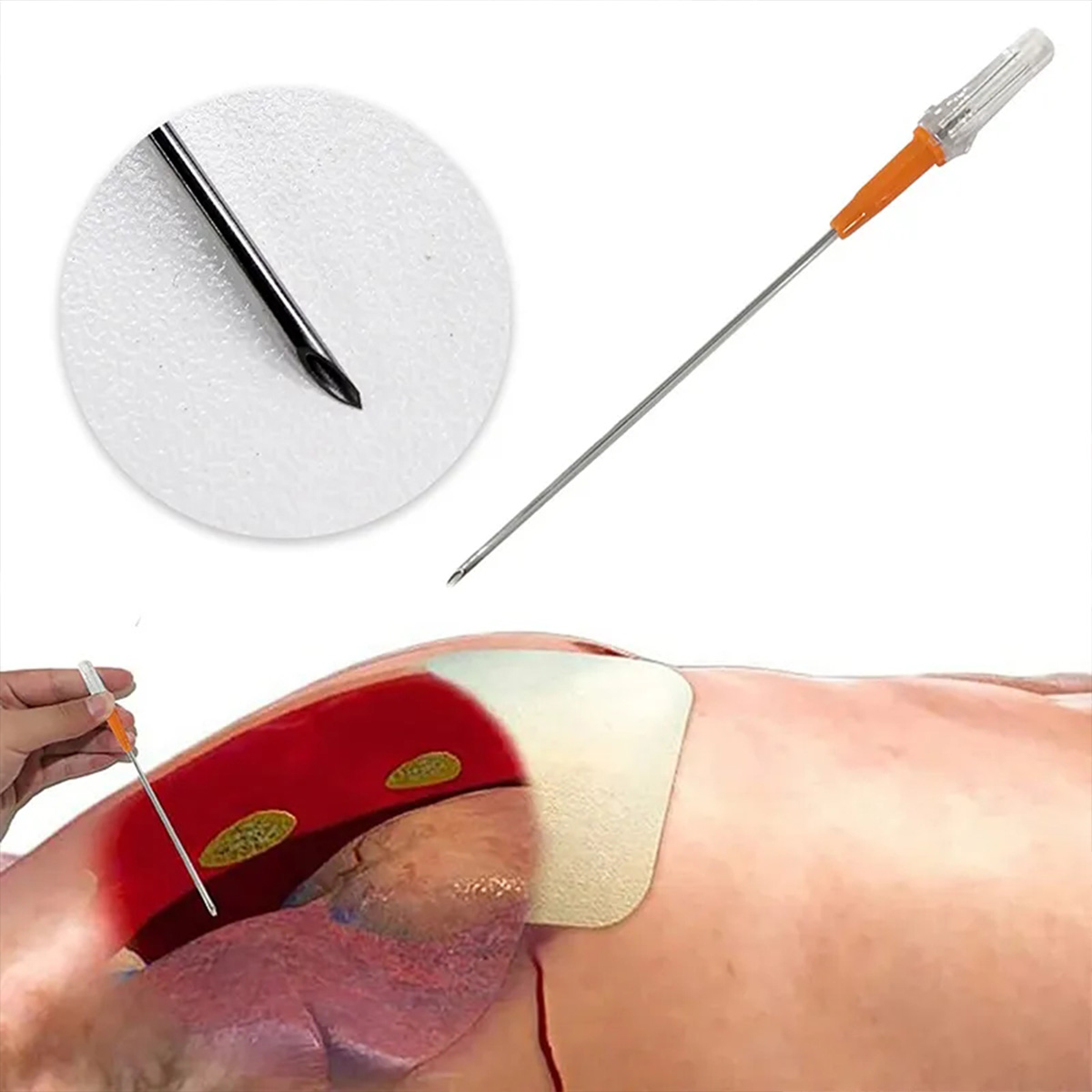
— Material: made of sterile medical-grade steel, ensuring durability and safety during use.
— Protective cap: prevents accidental puncture and maintains sterility until use.
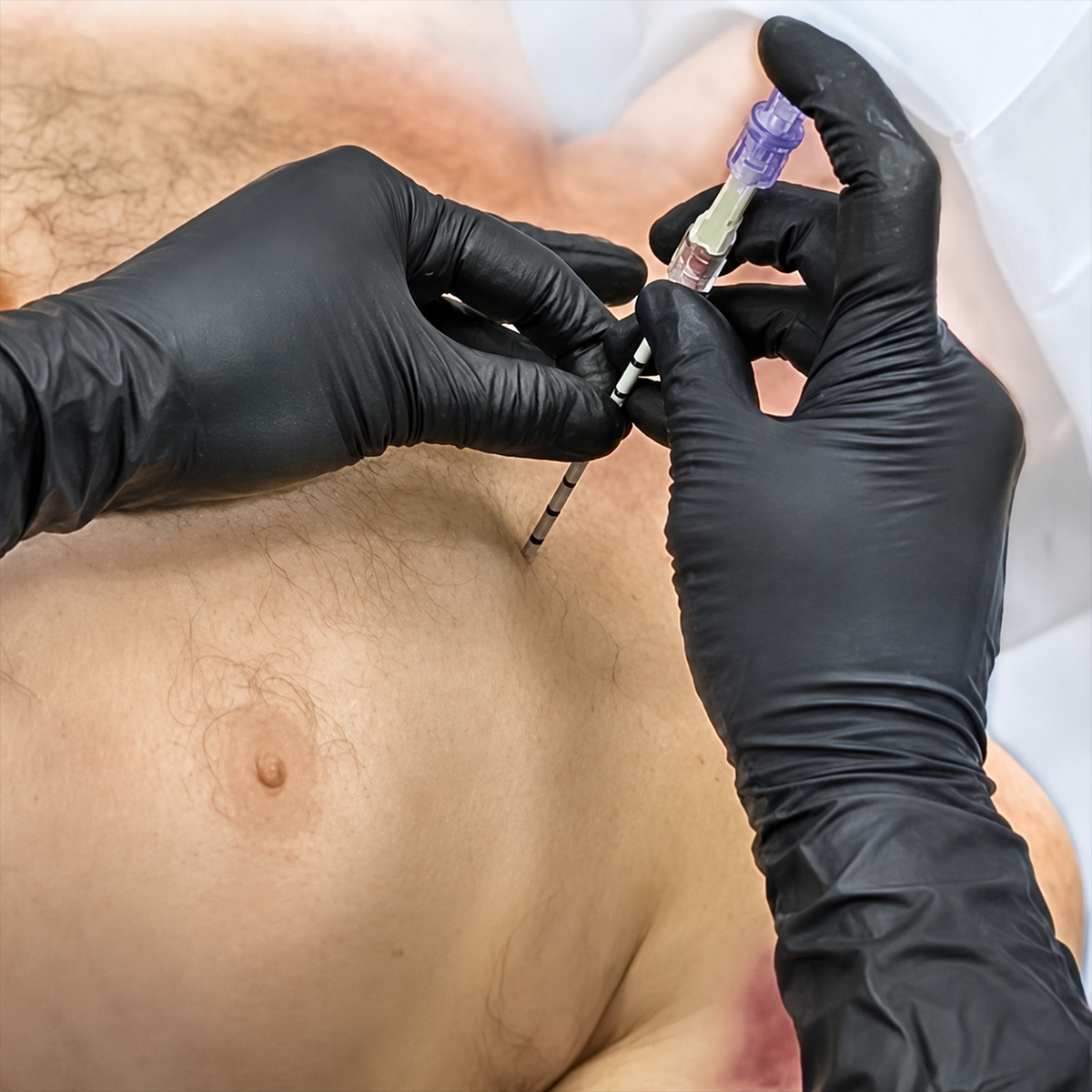
— Construction: consists of a strong steel needle (stylet) and a flexible catheter that remains in place after the procedure.
— Length: 8–10 cm — sufficient to penetrate the chest wall and reach the pleural cavity even in individuals with more developed musculature.
Safety and Effectiveness Standards
The decompression needle complies with TCCC (Tactical Combat Casualty Care) protocols, which define the requirements for first-aid tools in combat conditions. This means the device meets standards for size, sterility, and reliability. Manufacturers follow international quality standards to ensure effectiveness in critical situations.
What to Consider When Choosing
The main selection criteria are compliance with standards, sterility, and proper dimensions. The needle should be single-use, packaged in a sealed sterile package, and equipped with a protective cap. Manufacturer reliability is also an important factor when selecting the product.
Frequently Asked Questions
Can the needle be reused?
No, it is intended for single use only.
What is the optimal length?
8–10 cm to ensure access to the pleural cavity.
Is special training required?
Yes, its use requires basic tactical medicine knowledge.
Is the needle included in a standard first aid kit?
Yes, it is a mandatory component in military first aid kits.