
|
Quantity
|
Out of stock
|
||
|
|
|||
|
|
|||
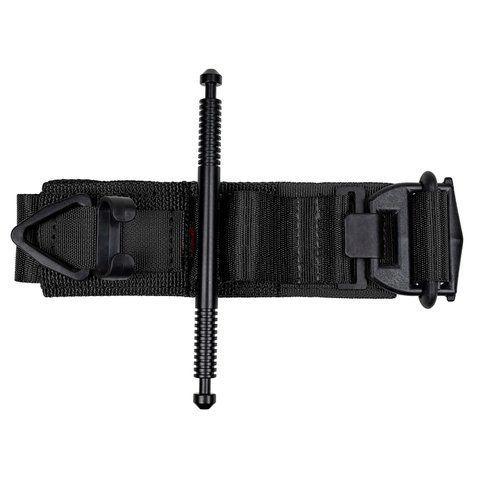
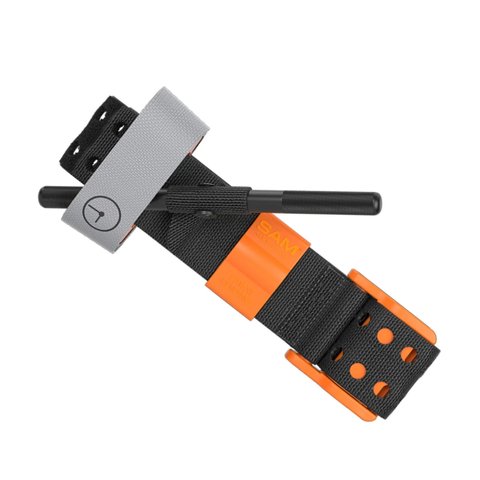
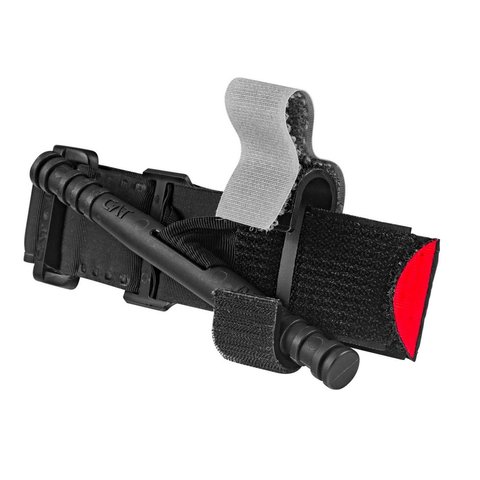
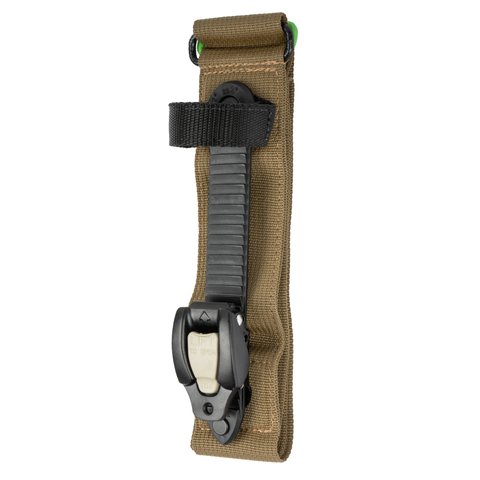
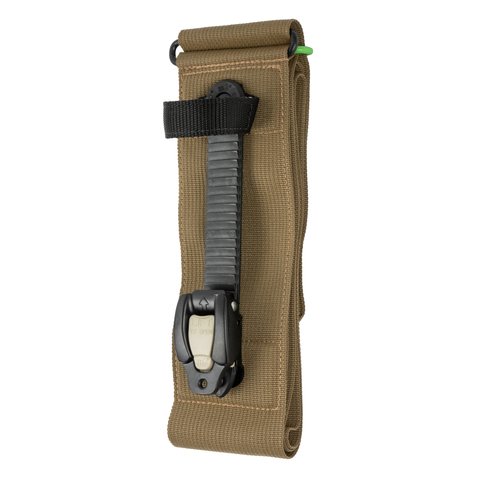
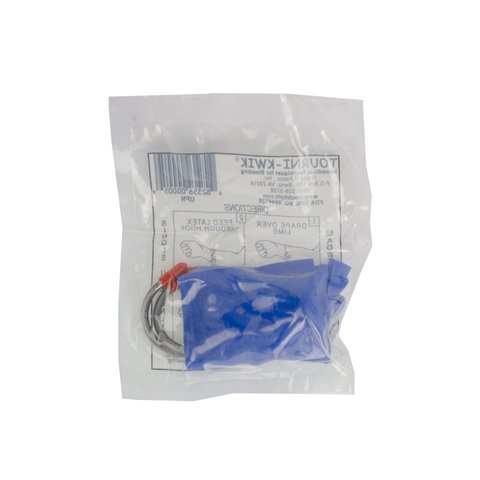
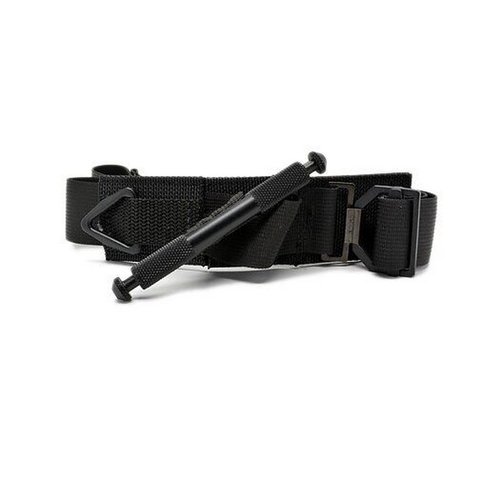
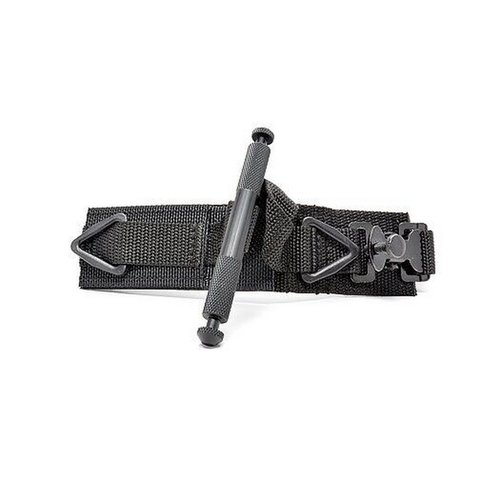
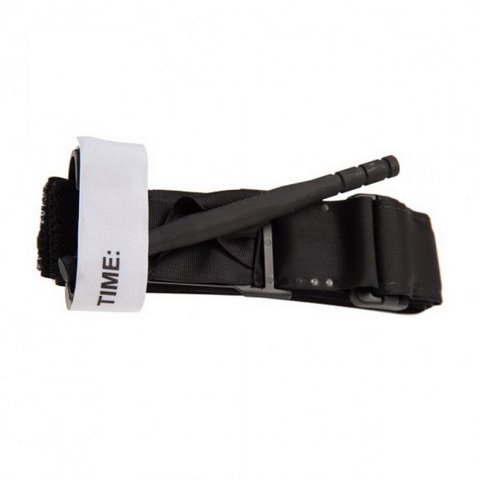
A tourniquet is a vital tool for stopping arterial bleeding in combat conditions. It allows for quick and effective control of bleeding, which is critically important for saving lives when medical assistance is limited by time.
Who uses tourniquets and in what situations are they indispensable
Tourniquets are designed for military personnel, medics, law enforcement officers, and rescuers. They are used in combat zones, disaster areas, and emergency situations to quickly stop bleeding until further medical assistance is provided.
Key features and characteristics of a tourniquet

— High-quality, durable fabric and plastic, resistant to external influences.
— Compact, easily portable.

— Material: High-quality, durable fabric and plastic, resistant to external influences.
— Suitable for different limb sizes.
Compliance with tactical medicine standards
The tourniquet is a reliable tool for use in extreme conditions. Its effectiveness is confirmed in military and civil services, providing rapid and safe cessation of severe bleeding when other methods (such as pressure or a bandage tourniquet) are ineffective or impossible. The models are designed for use in environments where every second counts.
Helpful tips for choosing a tourniquet
When choosing a tourniquet, it is important to consider its ease of use, reliability, and ability to stop bleeding in critical conditions. The model should be easy to apply with one hand, made from durable material, and have a quick fastening mechanism. Choose the model that best suits the specifics of your work.
Frequently asked questions about tourniquets
Can a tourniquet be applied independently?
Yes, a tourniquet is designed for use even with one hand, making it applicable in emergency situations.
How long can a tourniquet be worn on a limb?
A tourniquet should only be worn until the bleeding stops, prior to medical assistance. After that, the limb's condition should be assessed, and if necessary, the tourniquet can be removed under medical supervision. Prolonged wearing for more than 2 hours increases the risk of tissue and nerve damage.
How often should the tourniquet be checked?
The tourniquet should be regularly checked for damage and wear to ensure its effectiveness in case of use.