



|
Quantity
|
Out of stock
|
||
|
|
|||
|
|
|||
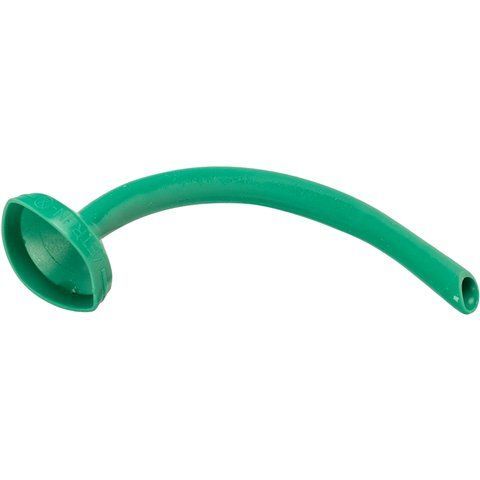
A nasopharyngeal airway (NPA) allows rapid restoration of airway patency in a casualty when there is a risk of airway obstruction. It helps maintain stable breathing in cases of unconsciousness or facial trauma. Its value lies in its ease of use and the ability to provide quick assistance even without specialized equipment. In combat conditions, this can become a decisive factor in preserving life until evacuation.
Who Uses It and Why
It is used by combat medics, paramedics, and rescuers in situations where there is a risk of airway obstruction — for example, during loss of consciousness or injuries to the jaw or tongue. It is especially useful in field conditions where advanced equipment is unavailable, as it allows rapid stabilization of the patient and maintenance of breathing until evacuation.
Important Information
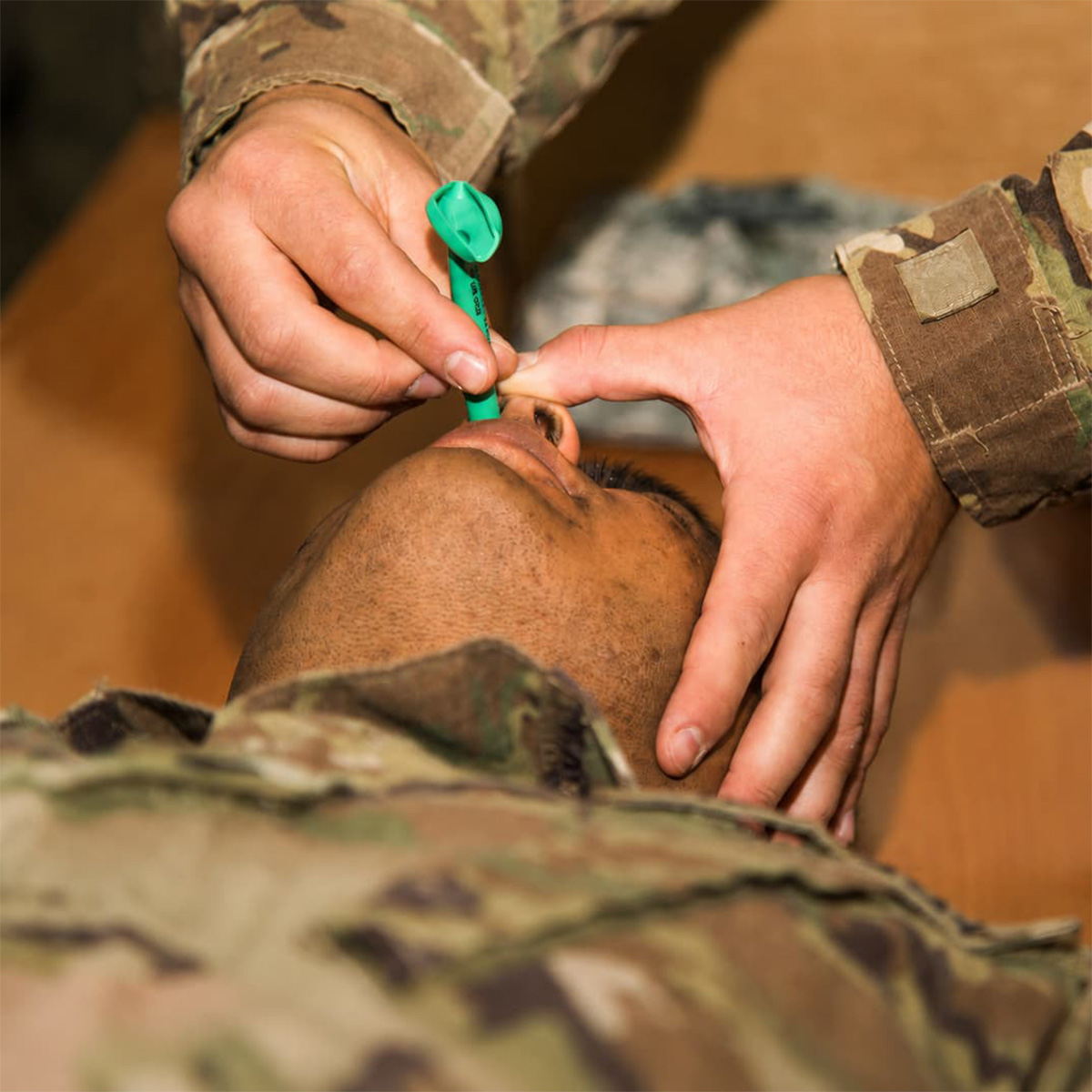
— Rounded tip: specially designed for safe insertion to minimize the risk of injury to the nasal and pharyngeal mucosa..
— Additional materials: lubricant (surgical lubricant), without which insertion of a nasopharyngeal airway is nearly impossible and highly traumatic. Please note that some kits include lubricant while others do not, and some models come pre-lubricated.
— Sealed sterile packaging: ensures readiness for immediate use and eliminates the risk of infection.
— Soft flexible material: made of silicone or PVC, providing flexibility and patient comfort while reducing the risk of trauma.

— Single-use application: disposed of after use in accordance with safety and tactical medicine standards.
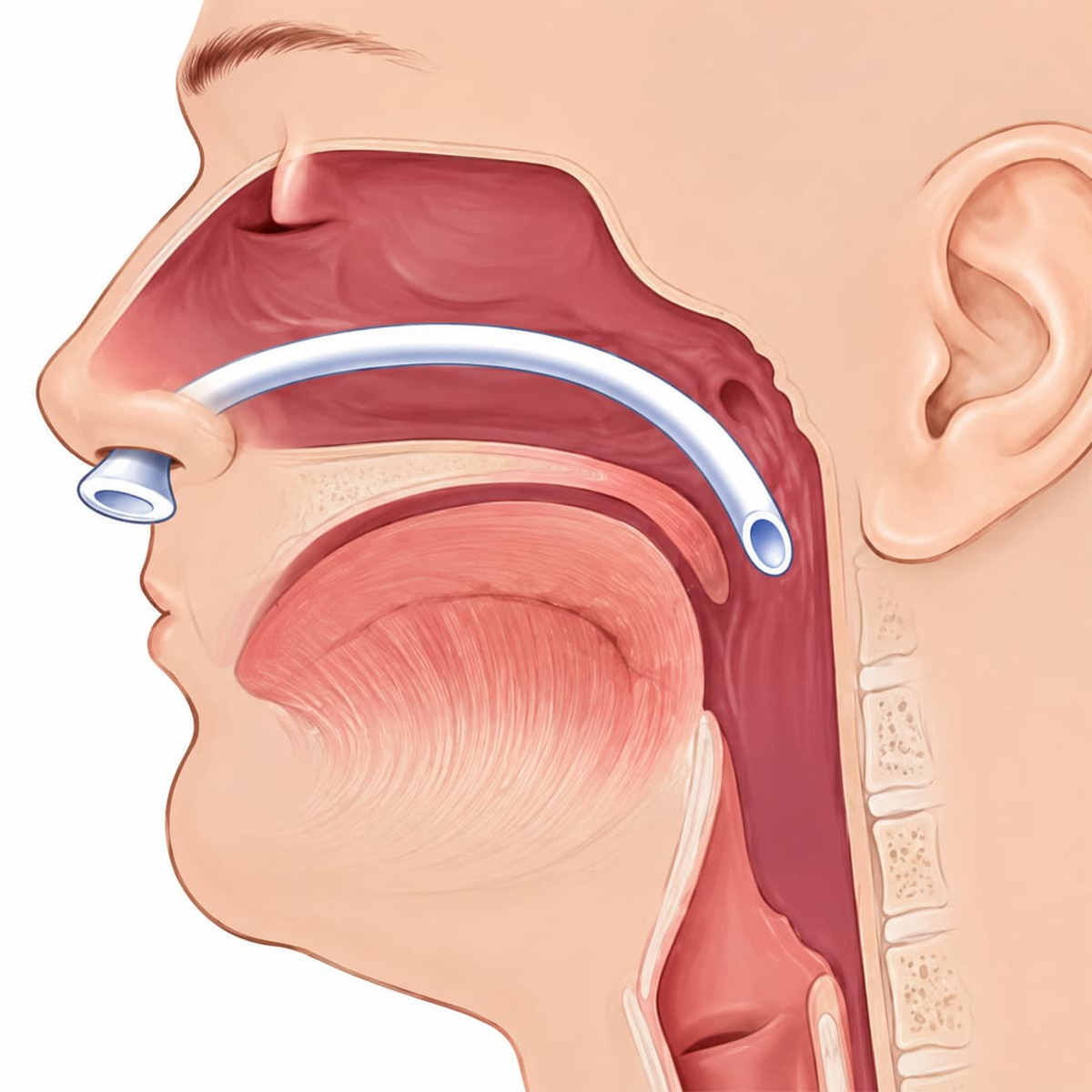
— Design features: one end has a special bevel to facilitate easy insertion into the nasal cavity. The opposite end is equipped with a flange/stop ring that prevents the tube from slipping completely inside and becoming lost in the patient’s airway.
Quality and Safety Standards in Tactical Medicine
Complies with TCCC protocols regulating airway management devices in combat conditions. Manufacturers follow international quality standards, ensuring effectiveness and safety in use. The device is made from safe materials, sterilized, and individually packaged.
Selection Tips
When choosing an NPA, it is important to consider both diameter and length to match the patient’s anatomy. The appropriate size is usually determined by measuring the distance from the tip of the nose to the earlobe or tragus. The most common “universal” size for adult males in tactical medical kits is 28 Fr. The material should be flexible and safe, while the rounded tip and bevel significantly ease insertion. It is important that the product is sterile and intended for single use to eliminate the risk of infection.
Frequently Asked Questions
Can it be reused?
No, it is intended for single use only.
Is special training required?
Insertion requires tactical medicine skills. It is important to know the correct insertion angle (straight back, perpendicular to the face, not upward into the nose) and how to respond if resistance is encountered.
What material is most commonly used?
Soft silicone or PVC, which provide flexibility, comfort, and safety during insertion.
Is it sterile?
Yes, each device is individually packaged in a sterile environment.