



|
Quantity
|
Out of stock
|
||
|
|
|||
|
|
|||
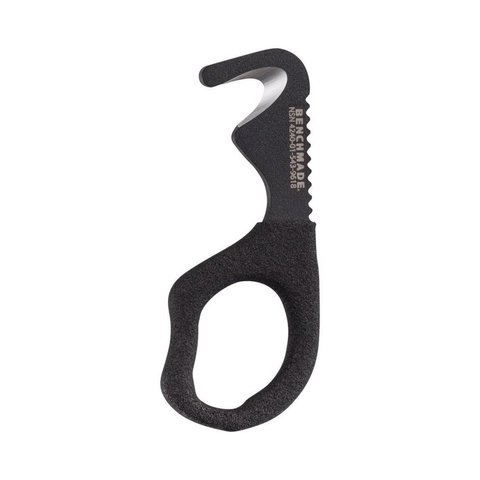
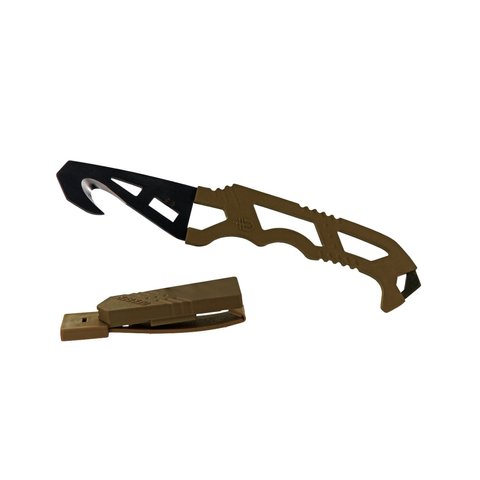
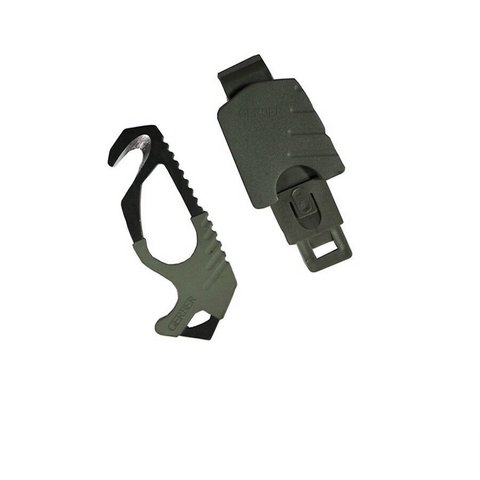
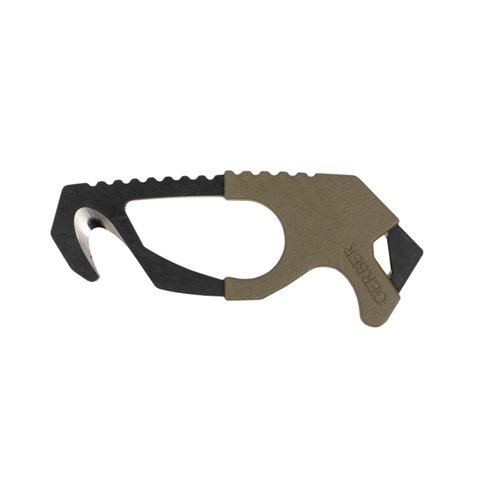
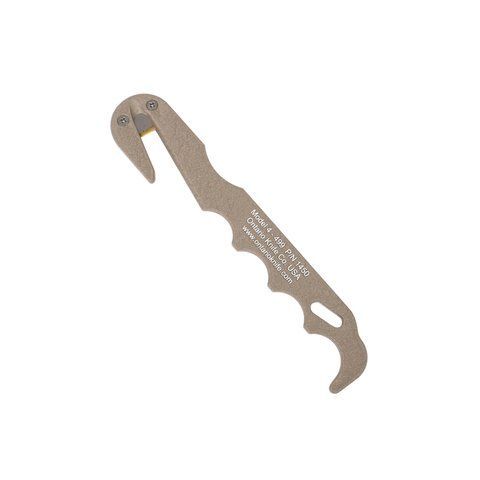
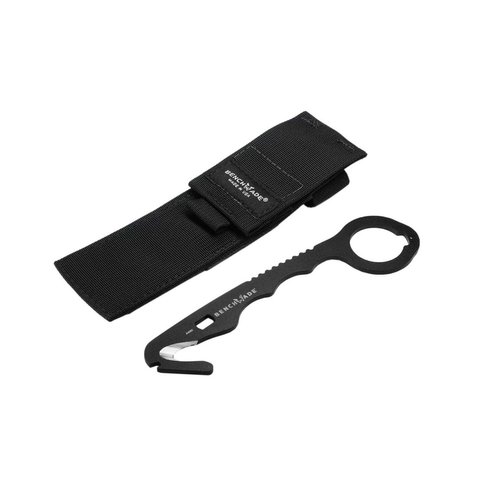
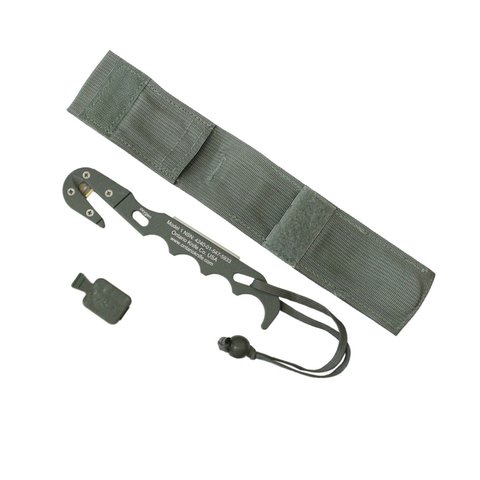
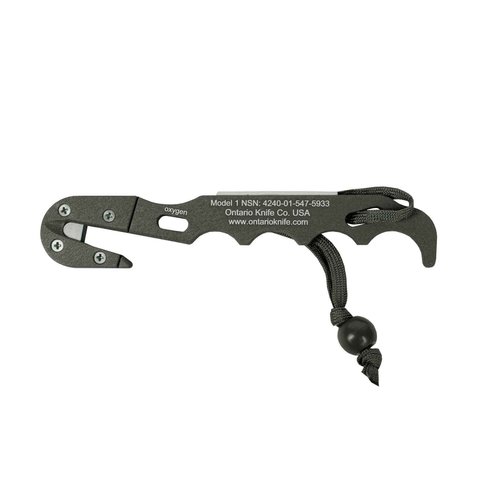
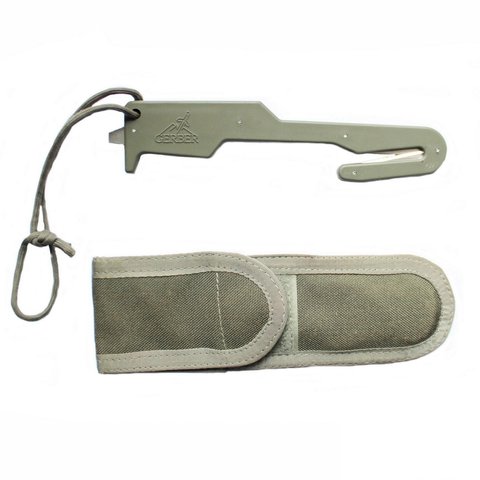
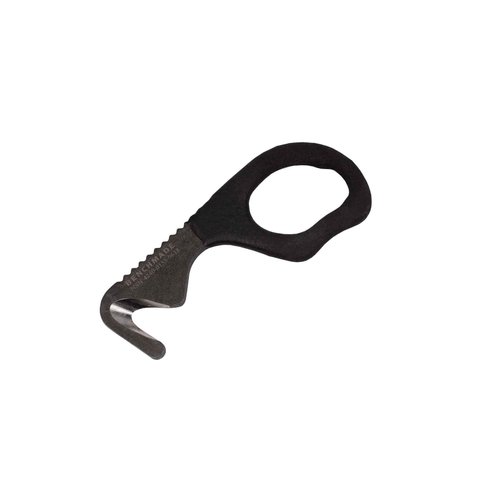
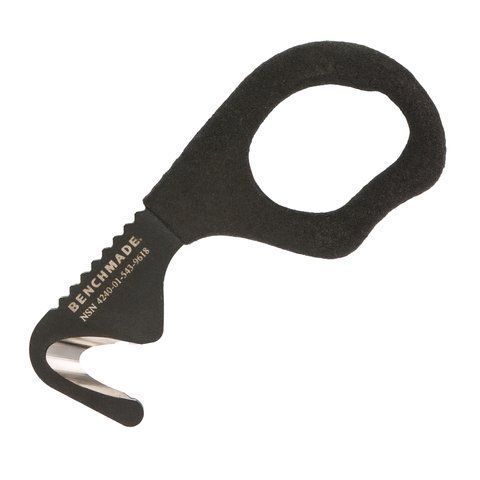
A strap cutter allows you to quickly and safely cut straps, harnesses, equipment, or ammunition elements without the use of knives or scissors, reducing the risk of skin cuts. Its application is especially important when working in confined spaces or in low visibility conditions. The simplicity of use allows it to be operated even with one hand or while wearing gloves. It is one of the essential basic tools in a medic's gear or alongside an individual first aid kit.
Who Needs a Strap Cutter and in What Conditions
It is used by combat medics, military personnel, rescuers, and emergency responders. It is most commonly used during the evacuation of the wounded, extrication from vehicles, or quick removal of equipment. It can also be used by civilians as part of an emergency kit in vehicles or outdoor gear.
Design Features

— The cutter has a closed or partially closed blade for safe cutting.
— It uses corrosion-resistant steel.

— The handle is made of impact-resistant polymer or aluminum.
— The design allows for use while wearing gloves.

— It is lightweight, making it convenient for continuous carry.
— The cutting part is designed for synthetic straps, seat belts, and dense fabrics.
Compliance with Tactical Medicine Standards
The strap cutter must meet the requirements for safe use in pre-medical care conditions. Compatibility with TCCC protocols for quick access to injuries is essential. The materials must be resistant to moisture, dirt, and temperature fluctuations. The design should minimize the risk of accidental cuts to the user or the injured person. Stable cutting quality is important even after prolonged storage in gear. The design should allow for quick use without additional preparation.
What to Look for When Choosing
When choosing, pay attention to the blade material, handle ergonomics, and the ability to access it quickly. It is important that the tool can be used with one hand. If the tool is meant for constant carry, compactness and low weight are important.
Frequently Asked Questions
What care is needed?
It is recommended to check the sharpness, clean it from dirt and moisture. This maintains stable cutting quality and extends the life of the blade.
Is it safe for the wounded?
The design with blade protection minimizes the risk of accidental cuts. The tool is designed to cut materials without contacting the skin.
Where is the tool used in civilian life?
It is often included in emergency car kits, outdoor gear, and rescue kits.
How long does the blade last?
The lifespan depends on the intensity of use and the materials being cut. With proper care, it lasts a long time.