


|
Quantity
|
Out of stock
|
||
|
|
|||
|
|
|||
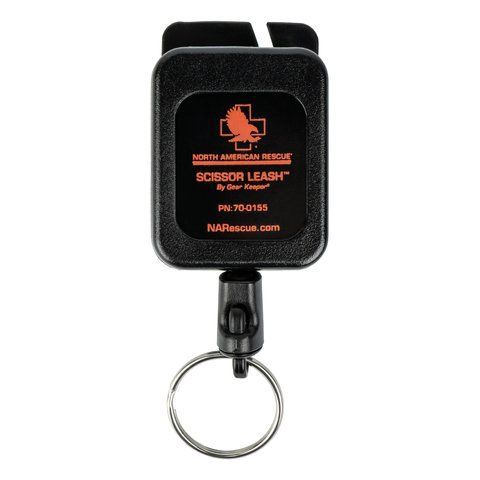
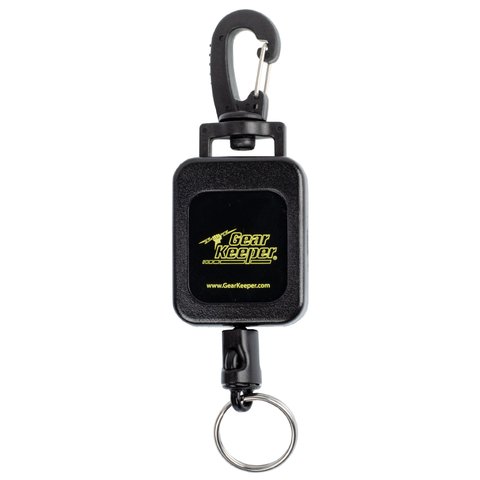
A retention lanyard for equipment in combat conditions plays a key role in preserving critical tactical medical tools. During intense movement, while wearing body armor, or in low-light conditions, it is easy to lose medical scissors, a tourniquet, or other small instruments. This simple component secures equipment to the gear, reducing the risk of loss, saving time, improving organization, and ensuring quick access to essential aid tools.
Who Uses It and Where
This equipment item is used in military medicine, law enforcement, and tactical units where there is a risk of losing tools during movement or operations. It is relevant during tactical missions, casualty evacuation, and field operations. Its function is universal — securing small equipment to uniforms or load-bearing systems, such as medical scissors, flashlights, multitools, and other essential gear that must remain immediately accessible.
Main Features

— Made from durable nylon or elastic cord with high resistance to stretching and wear.
— Equipped with carabiners, loops, or fastening elements for secure attachment to gear and equipment.

— The design is intended for repeated use in demanding field and tactical conditions.
— An important feature is the optimal length, which ensures comfortable use without restricting movement.

— Its key function is to keep tools and equipment within quick reach while preventing accidental loss or dropping.
— The materials are resistant to mechanical stress, moisture, dirt, and temperature fluctuations.
Quality Standards Compliance
Retention lanyards for tactical use must meet basic requirements for strength, durability, and safety. In military medicine, it is important that they do not introduce additional risks or interfere with operations. Materials are tested for tensile strength, moisture resistance, and temperature stability. The reliability of attachments and overall structural stability are essential for field use.
What to Consider When Choosing
When selecting a lanyard, consider the type of equipment being secured and the operating conditions. Pay attention to material strength, type of attachments, and length. Key criteria are durability, elasticity, and secure retention. For active combat environments, choose models with enhanced wear resistance and reliable carabiners. It is also important that the lanyard does not hinder quick access to tools and equipment.
Frequently Asked Questions
Can it be used for any equipment?
The lanyard is compatible with most tools and gear.
What is the purpose of a retention lanyard?
To prevent dropping or losing medical and tactical tools.
Where is it attached to gear?
To tactical equipment elements such as belts, load-bearing systems, backpacks, or MOLLE-type attachments.