

|
Quantity
|
Out of stock
|
||
|
|
|||
|
|
|||
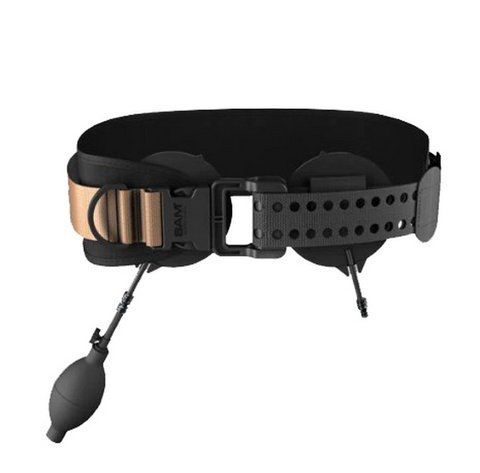
A junctional tourniquet is a solution for controlled pressure in complex bleeding zones where a standard tourniquet cannot be applied — groin, pelvis, or axillary region. It provides localized blood flow occlusion and significantly reduces the risk of fatal outcomes. It allows rapid stabilization of the casualty before evacuation by applying effective pressure to the area and reducing blood loss.
Purpose
Its main use is in tactical medicine and emergency care for severe trauma. It is applied in injuries where standard bleeding control methods cannot be used — such as groin, axillary, and other critical anatomical regions. It is used by military medics, rescue services, armed forces units, special units, and trained civilians who have completed first aid training. It is especially valuable in combat, disasters, and accidents.
Key Features
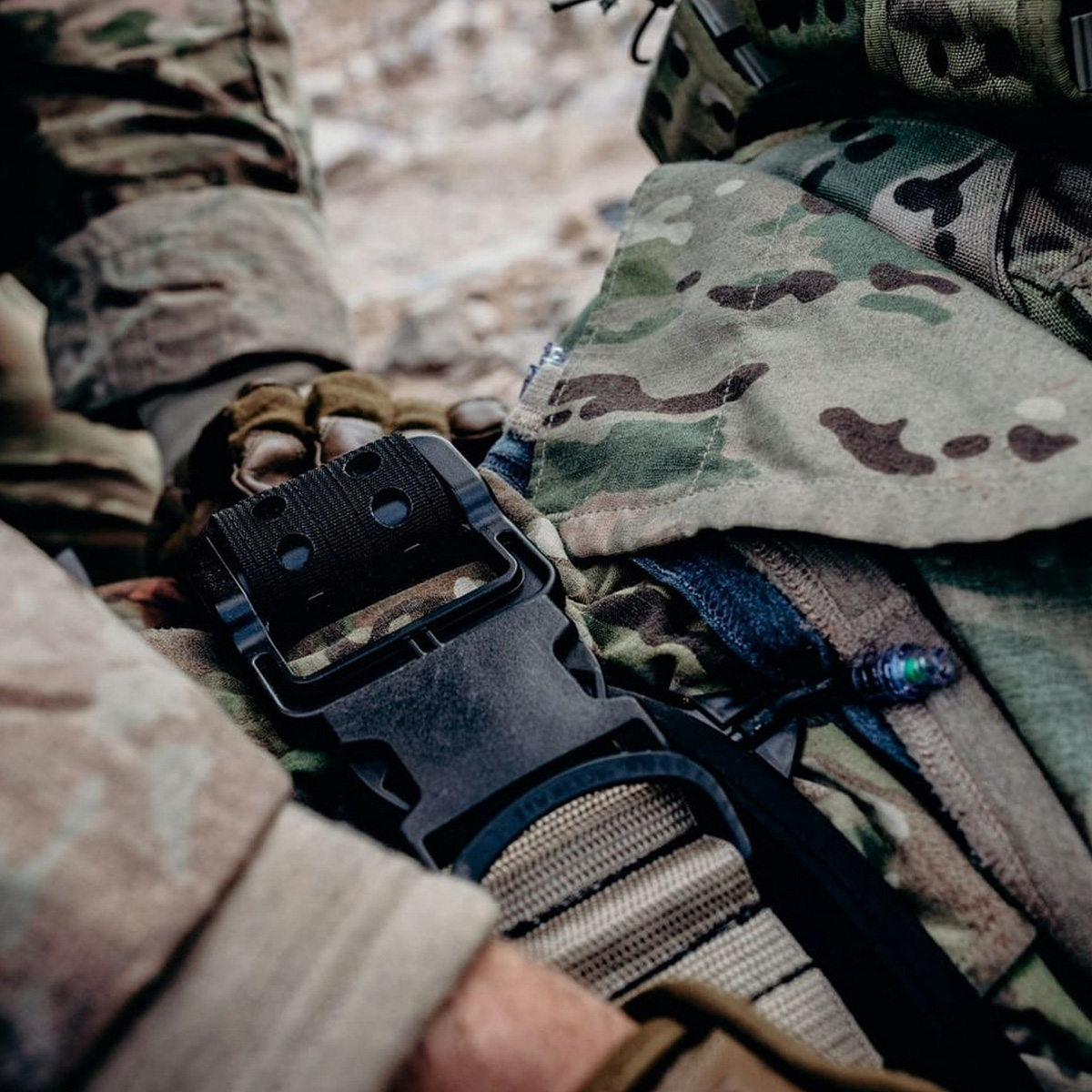
Purpose — control of massive bleeding in complex anatomical areas.
Compression element — pad or compression block for localized pressure.
Materials — durable textiles and polymers resistant to stress and field conditions.
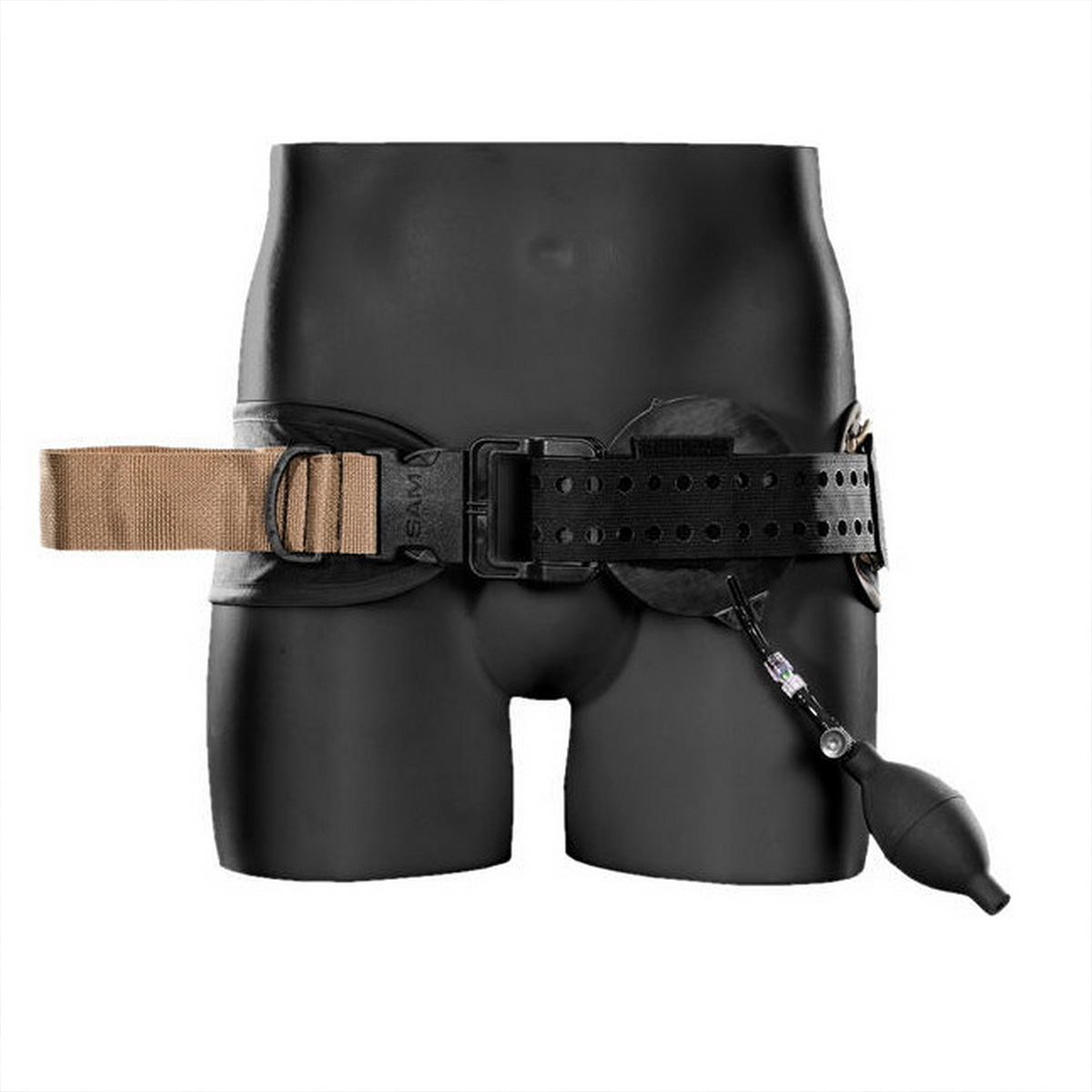 Mechanism — pressure applied via pneumatic pads (TCD — Target Compression Device) inflated by a hand pump, allowing precise pressure control unlike simple tightening.
Fixation system — adjustable straps for secure stabilization.
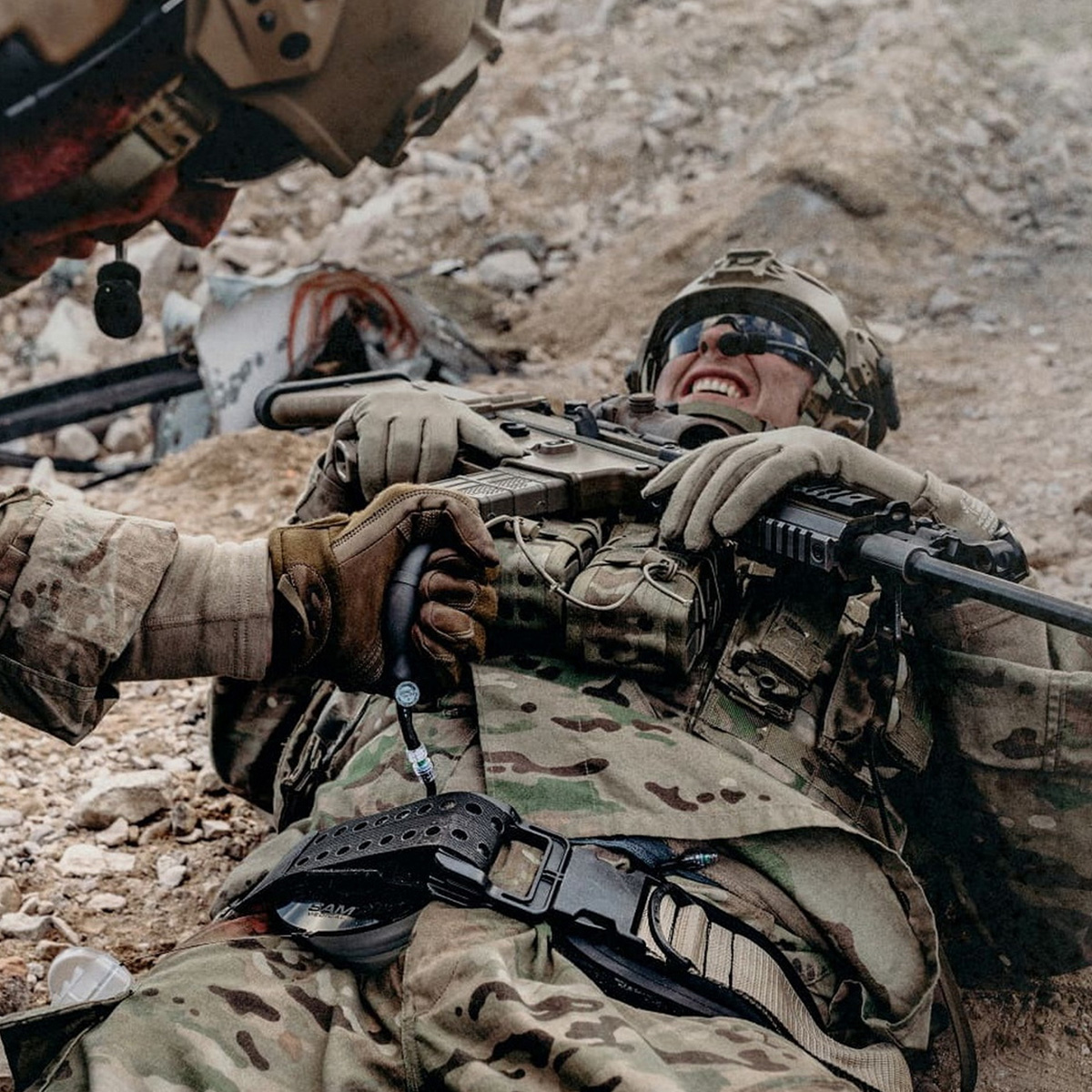
Additional function — advanced models (e.g., SAM Junctional Tourniquet) are certified for pelvic stabilization in addition to hemorrhage control.
Application zones — groin, axillary region.
Quality Standards
Complies with tactical medicine requirements and international TCCC protocols. It is tested for hemorrhage control effectiveness and structural reliability. This ensures suitability for combat use, rescue operations, and civilian medical care. It makes the junctional tourniquet a reliable tool for stabilizing patients with life-threatening bleeding in complex anatomical regions.
What to Consider When Choosing
Key criteria include material durability, ease of adjustment, and compact design. The device must allow precise pressure control and secure body fixation. It should be compact, field-ready, and enable rapid hemorrhage control. Compatibility with other gear and quick accessibility are also important.
Questions and Answers
Can it replace a standard tourniquet?
No. Standard tourniquets do not work in junctional zones (groin, axilla), where targeted pressure is required.
Can it be used without medical training?
It is a CLS (Combat Life Saver) or medic-level device and requires proper training and anatomical knowledge.
Should it be included in a standard first aid kit?
It is not part of basic kits. It is intended for advanced kits for trained users.