
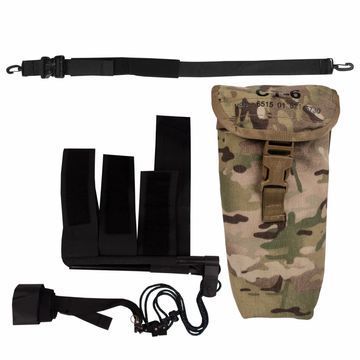
|
Quantity
|
Out of stock
|
||
|
|
|||
|
|
|||
In combat and other extreme situations, having specialized medical equipment is critically important for providing rapid assistance to the injured. It helps preserve body heat, stabilize the condition of the victim, and ensure safe transportation until professional help arrives. This minimizes the risk of complications and significantly increases the chances of saving a life.
Types of Medical Equipment
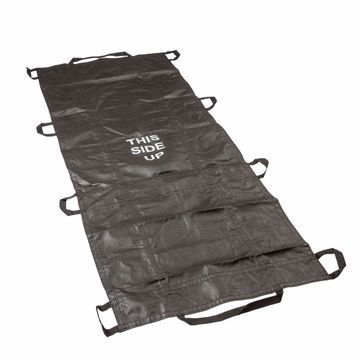
Medical stretchers — designed for the safe transportation of the wounded in difficult conditions, ensuring stable body positioning and reducing the risk of additional injuries.
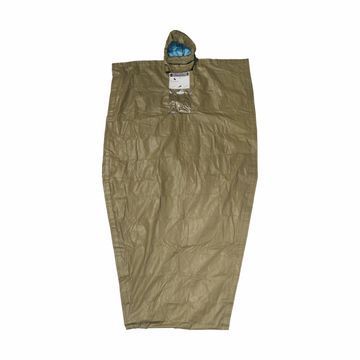
Rescue thermal blanket — used to retain body heat, protect from hypothermia, moisture, and wind, especially during evacuation or while waiting for assistance.
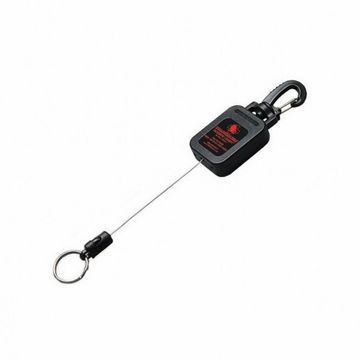
Safety cord — used for securing, ensuring safety, or auxiliary fastening of equipment and injured individuals during movement in hard-to-reach or dangerous areas.
Medical splints — used for immobilizing limbs in cases of fractures or suspected injuries, helping prevent complications during transportation.
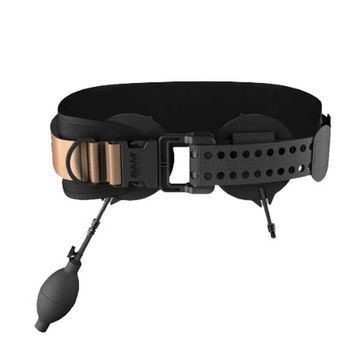
Junctional Tourniquet — designed to stop bleeding in the groin or armpit area, as well as to immobilize pelvic fractures.
Purpose and Areas of Use
Medical equipment is intended for military personnel, combat medics, volunteer units, and Territorial Defense Forces (TRO) working with the wounded in combat conditions. It is used on the battlefield, during evacuation, in bunkers, and at stabilization points. The primary function is to ensure the safe movement, support, and protection of the injured until proper medical assistance is provided. The equipment is designed for use in stressful conditions, cold weather, low visibility, and under the threat of further injury.
Key Features
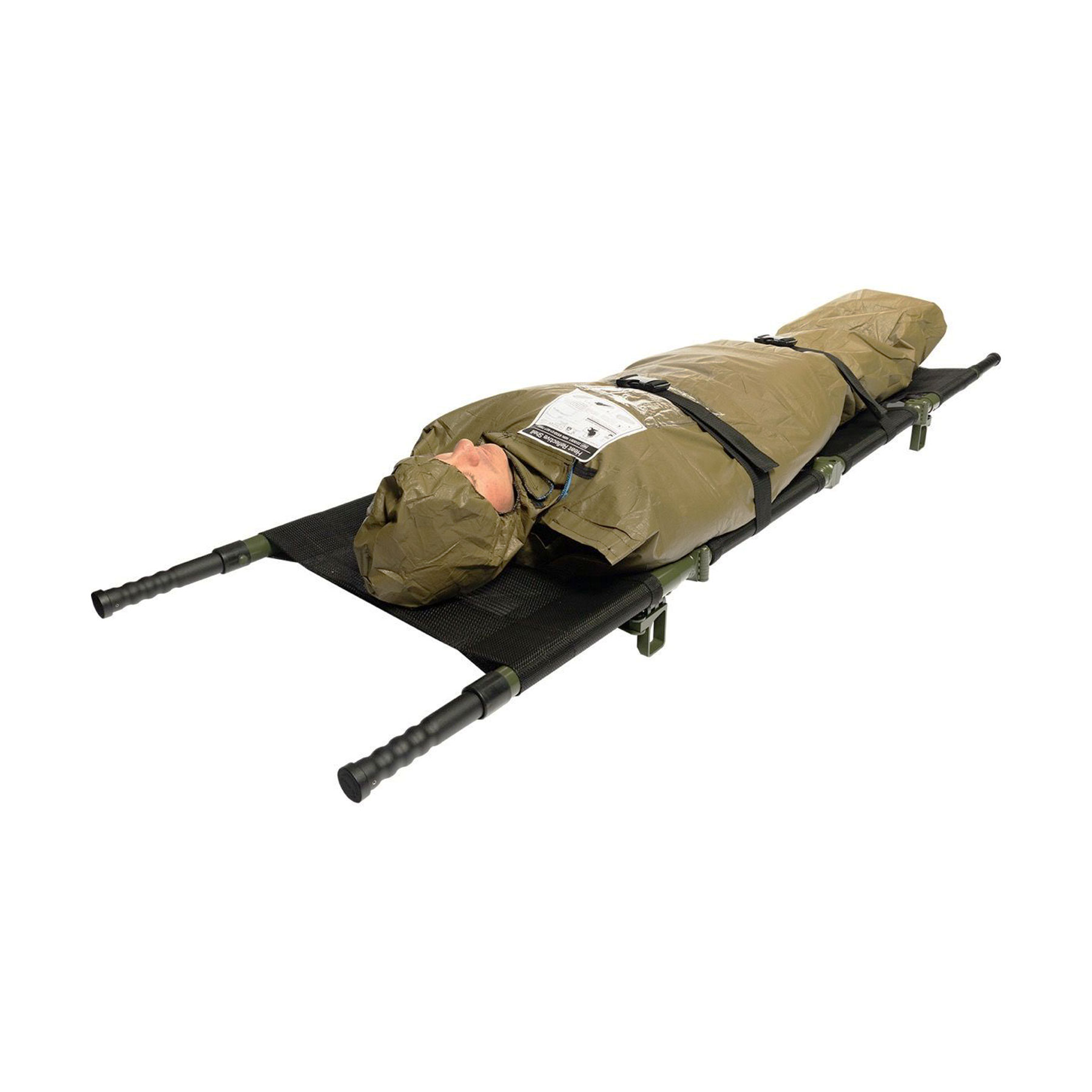
— The key characteristics of medical equipment are simplicity, reliability, and predictability of operation.
— The construction is optimized without unnecessary elements.
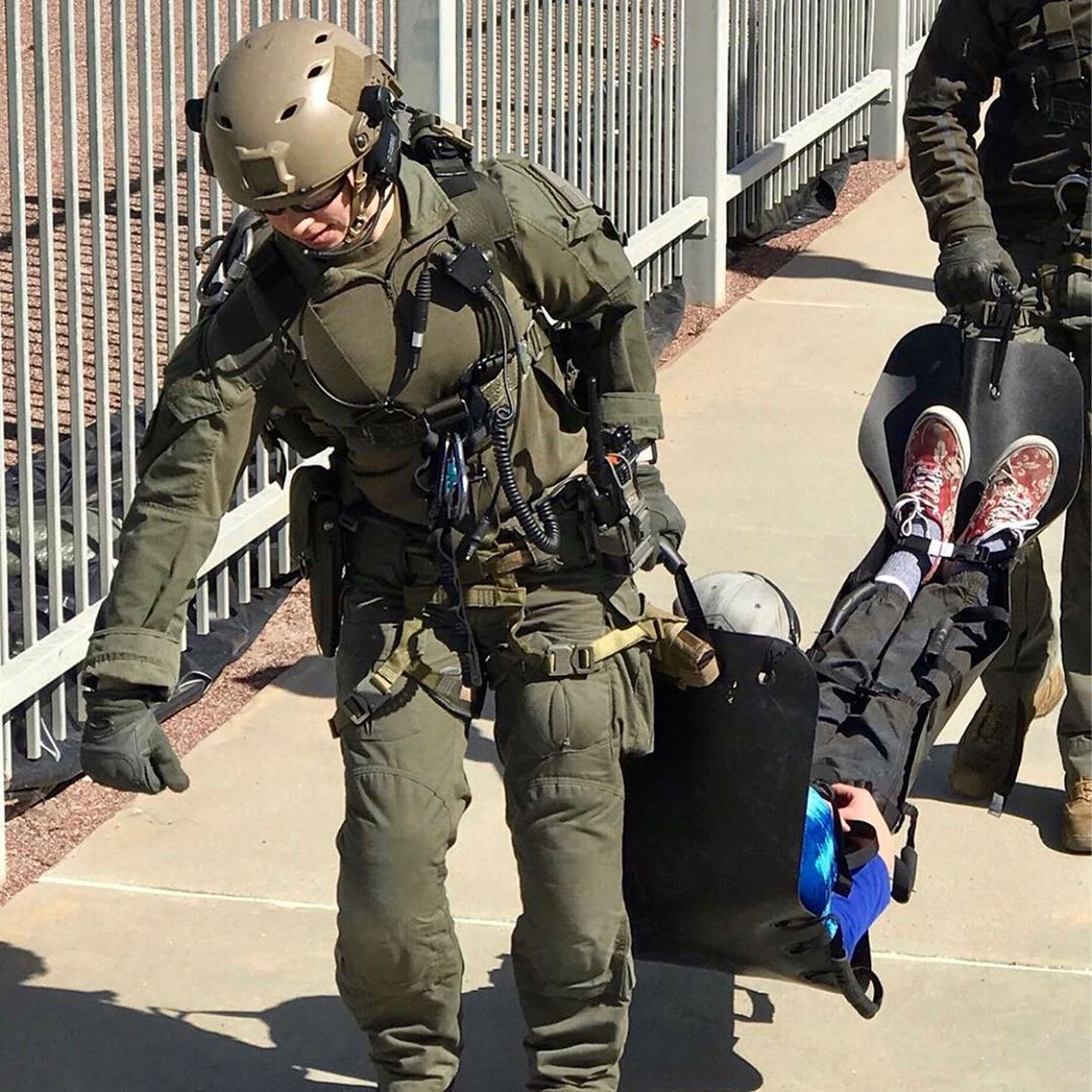
— The products are designed for use in extreme conditions without loss of functionality.
— The materials are resistant to temperature fluctuations, moisture, and dirt.
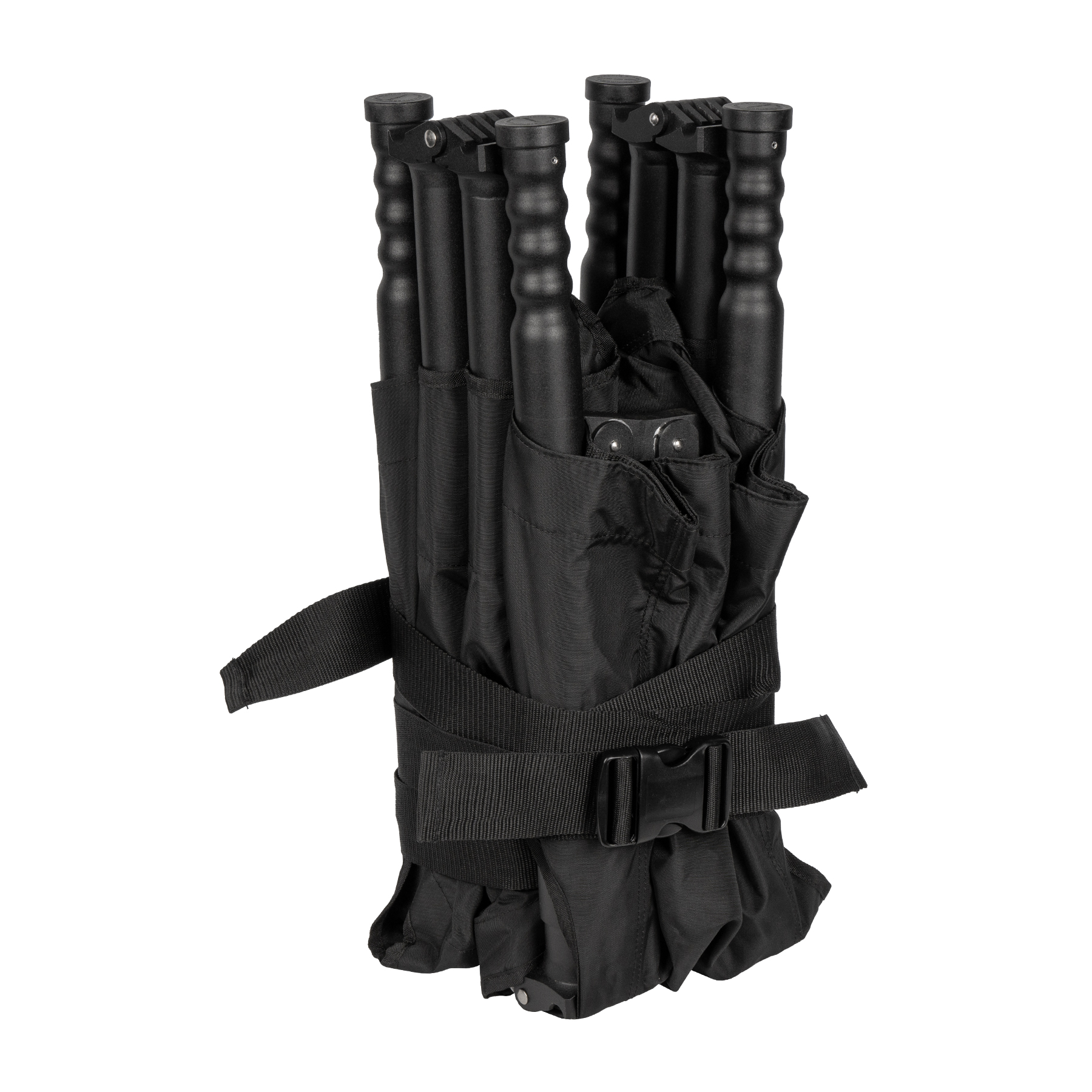
— The design ensures quick readiness and minimizes the risk of additional injury.
Compliance with Standards
Designed in accordance with Tactical Combat Casualty Care (TCCC) approaches and taking into account real combat experience and the requirements for providing assistance at various stages of evacuation. The materials and design ensure safe use without the risk of further injury. Compliance with standards guarantees clear functionality and proven effectiveness in combat conditions.
Selection Tips
When choosing medical equipment for tactical medicine, it's important to focus on reliability, functionality, and compliance with modern tactical medicine requirements. Key aspects include speed, ease of use, and resistance to external factors. One should focus on equipment that will be effective and convenient in emergency situations.
In the Urescue catalog, you will also find
— First aid kit — fully equipped kits for emergency medical situations
— First aid kit components — consumables for replenishing and individually assembling medical kits
— Medical backpacks, bags and pouches — tactical solutions for storing medical equipment
Frequently Asked Questions (FAQ)
How often should medical equipment be checked?
Equipment should be checked regularly to ensure that all components are in working condition and have not lost their effectiveness due to storage time.
In what situations can it be used for civilian tasks?
This equipment is versatile and can be used both in military conditions and in civilian practice for providing assistance during natural disasters or emergency situations.
Does the equipment require special training?
It can be effectively used by individuals with basic first aid training.
What tasks is the equipment intended for?
Medical equipment is used to maintain the stable condition of the wounded, minimize risks during movement, and organize safe evacuation to the next level of medical care.