
|
Quantity
|
Out of stock
|
||
|
|
|||
|
|
|||
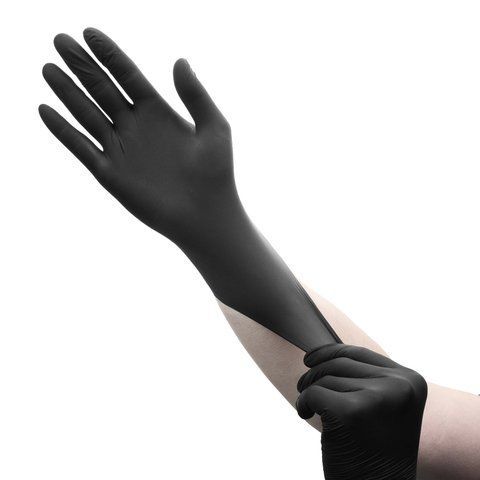
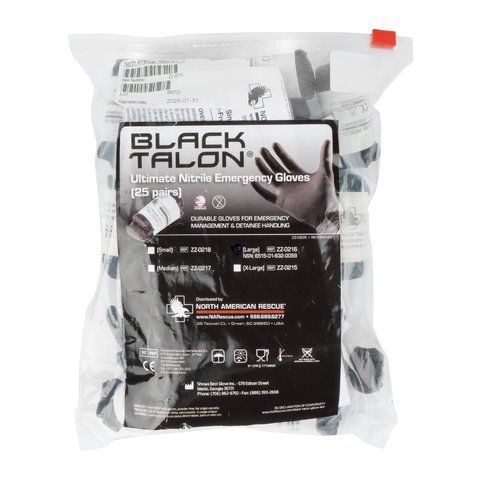
Nitrile gloves provide a basic barrier between the medic and biological fluids, reducing the risk of infection for both the casualty and the caregiver. In field conditions, their strength, resistance to punctures and chemicals are crucial. Unlike latex, they do not cause allergies and retain elasticity even during prolonged use. That is why they are used as the standard of protection when providing aid in combat situations.
Who uses them and in what conditions
Medical gloves are used for medical and pre-medical assistance by military medics, rescuers, instructors, and civilians. They are essential during evacuation, wound treatment, and working with blood or other biological materials. Thanks to their durability and versatility, they are suitable both in combat conditions and in civilian medicine, laboratories, or when providing first aid in the field.
Key technical characteristics
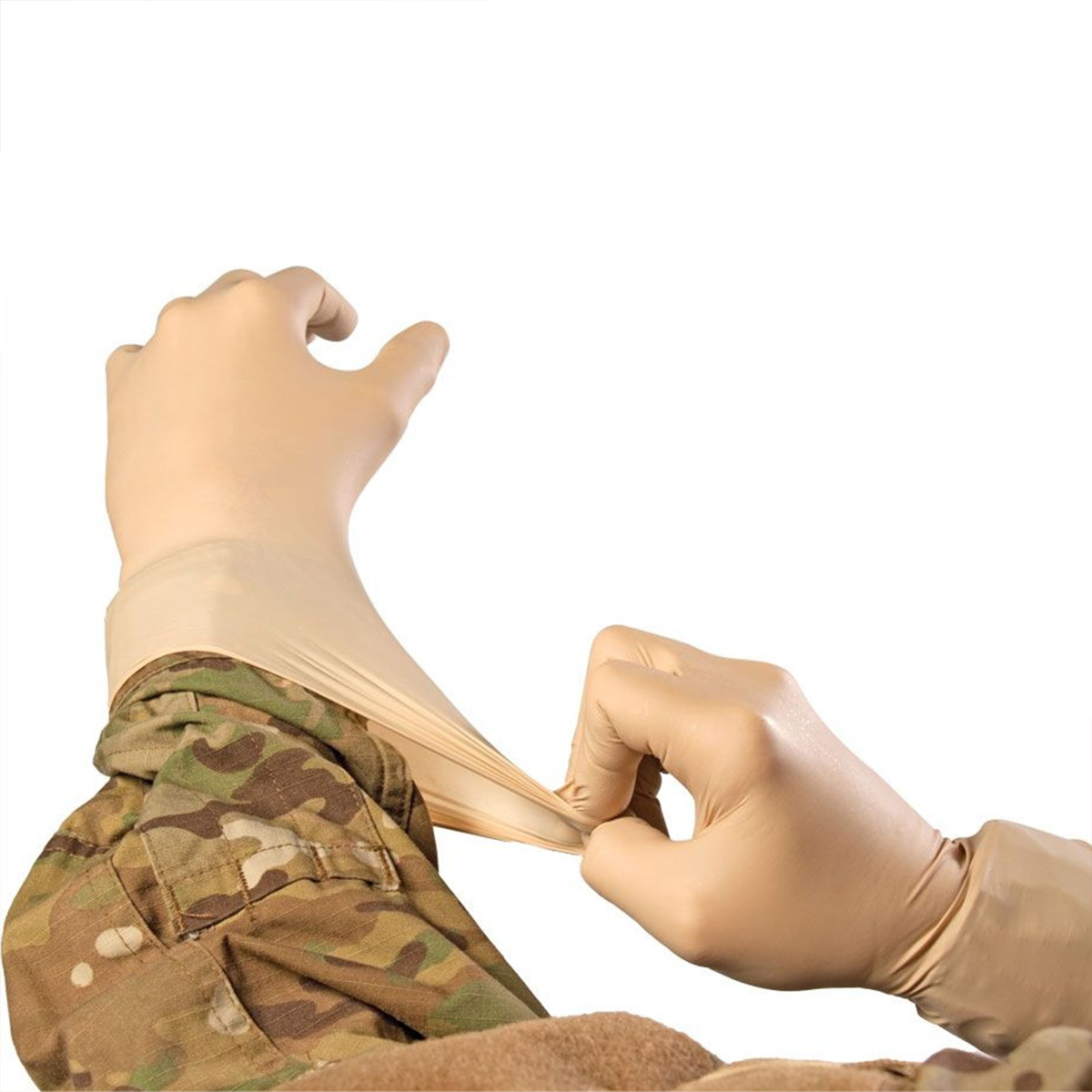
—The material thickness allows finger sensitivity to be maintained
— Made of synthetic nitrile, which ensures high resistance to punctures and tears

— They do not cause allergic reactions, fit snugly on the hand, and provide precision in movements during work

— Resistant to biological fluids and certain chemicals
— They are latex-free, have a textured surface for better grip, and come in various sizes.
Compliance with tactical medicine standards
Medical gloves must meet basic safety and quality standards, including resistance to tearing and fluid penetration. In tactical medicine, it is important that the material retains its properties even under harsh conditions. Nitrile provides the required level of protection that meets the standards for personal protective equipment. This guarantees their suitability for use in combat, rescue operations, and civilian medicine.
Selection tips
Before purchasing nitrile gloves, pay attention to size, thickness, and material density. It is important that they fit snugly but do not restrict movement. For field conditions, it is better to choose models with enhanced durability. Also check for a textured surface for better grip. They should be easy to put on, resistant to tearing, and provide a basic level of protection.
Frequently asked questions
Why is nitrile better than latex?
It causes fewer allergies and is more resistant to damage.
Can they be reused?
They are intended for single use only.
Are they suitable for all procedures?
They are versatile and suitable for most medical manipulations.
What are they used for?
For protection against infections and biological fluids, both for the casualty and the caregiver.