

|
Quantity
|
Out of stock
|
||
|
|
|||
|
|
|||
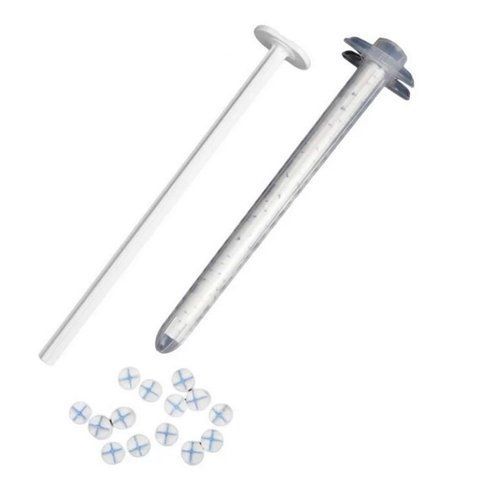
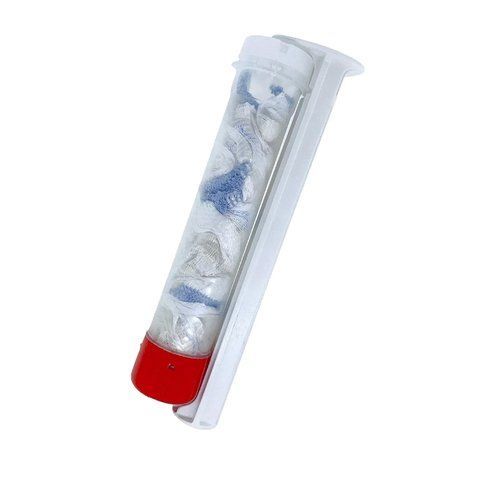
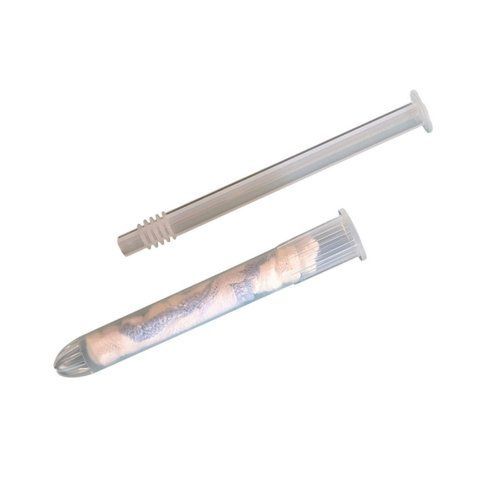
A hemostatic applicator is a modern, highly effective hemorrhage-control device designed to rapidly manage deep wounds and severe bleeding. It allows targeted delivery of hemostatic material directly into a wound, especially in difficult areas where a standard dressing cannot provide sufficient bleeding control.
Some of the most well-known devices include:
- XSTAT 30 and XSTAT 12 — syringe-based applicators containing small cellulose sponges that expand 10–15 times upon contact with blood, creating internal pressure inside the wound. The sponges contain radiopaque markers for X-ray detection.
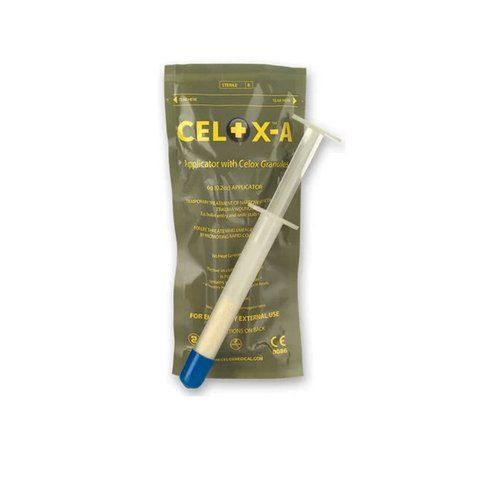
- Celox-A — an applicator filled with chitosan granules. Unlike expanding sponges, it works by forming a dense gel-like clot when it comes into contact with blood.
Intended use environments
These devices are used in combat, field, rescue, training, and emergency medical environments. A hemostatic applicator may be included in an IFAK, medical backpack, or trauma care kit. It is intended for situations where rapid bleeding control, casualty stabilization, and preparation for evacuation or transfer to medical personnel are critical. It is a compact and practical addition to the equipment of military personnel, medics, and rescuers.
Applicators (especially granular agents such as Celox-A) should not be used for penetrating injuries to the chest, neck, or abdominal cavity. Granules may enter the bloodstream or damage internal organs. They are intended for narrow and deep wounds of the extremities, groin, or axillary areas.
Key features
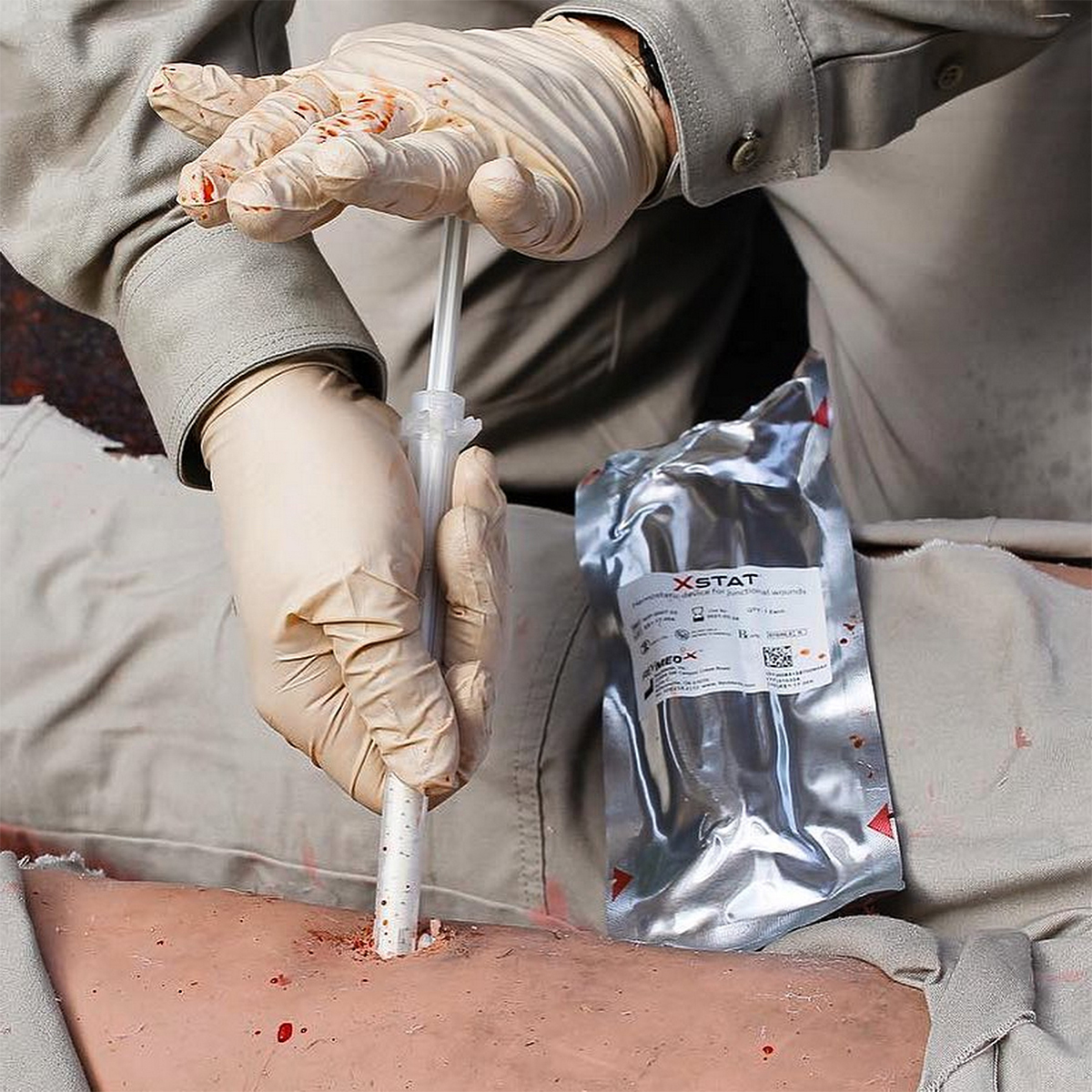
— Format: Syringe or applicator with sterile packaging and a design suitable for rapid use in field conditions. Compact, easy to transport, and suitable for both individual and group medical kits..
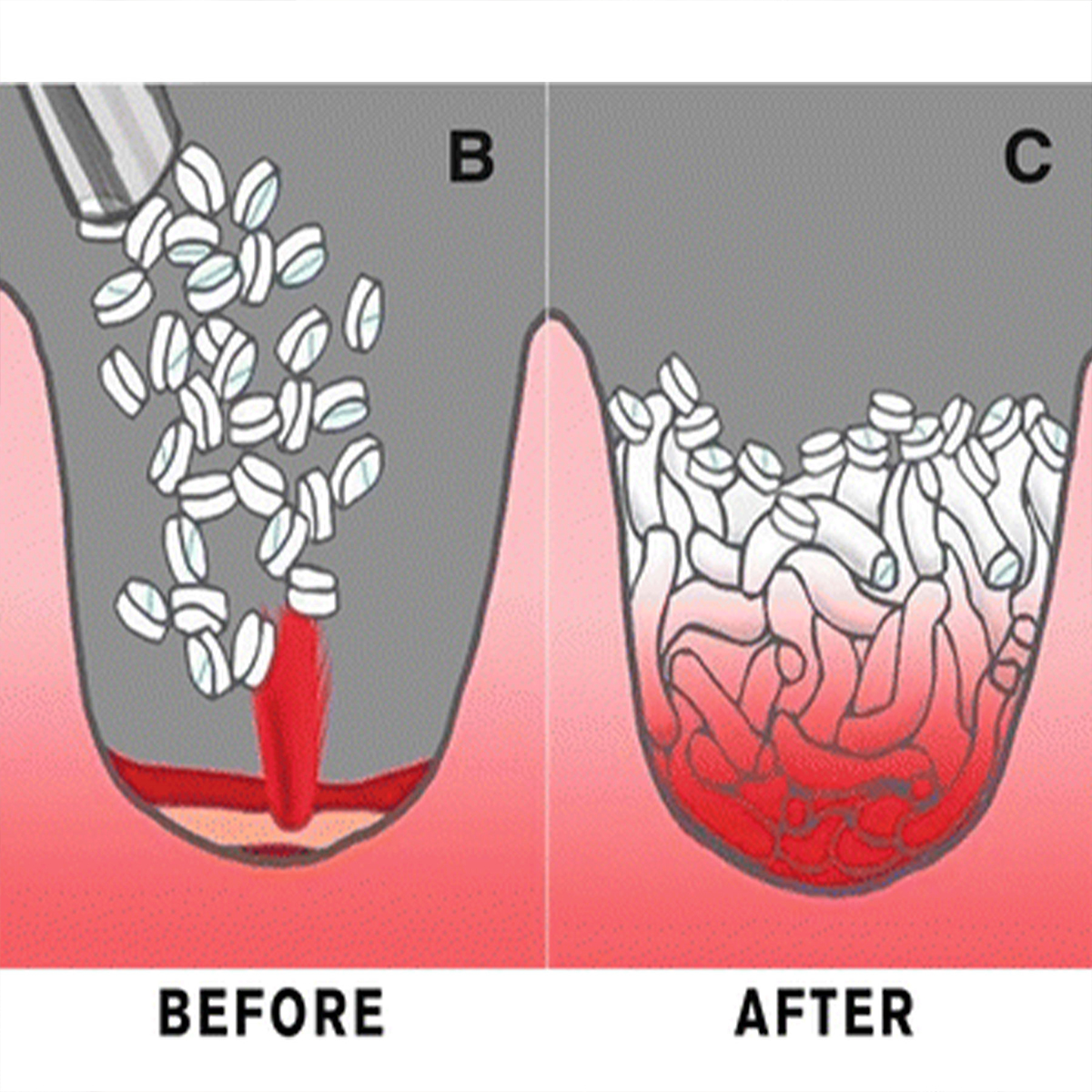
— Механізм (для XSTAT): Mechanism of action (XSTAT): Expanding microsponges provide immediate internal wound compression.
— Radiopacity: Integrated markers allow surgeons to easily locate and remove all components during surgical treatment..
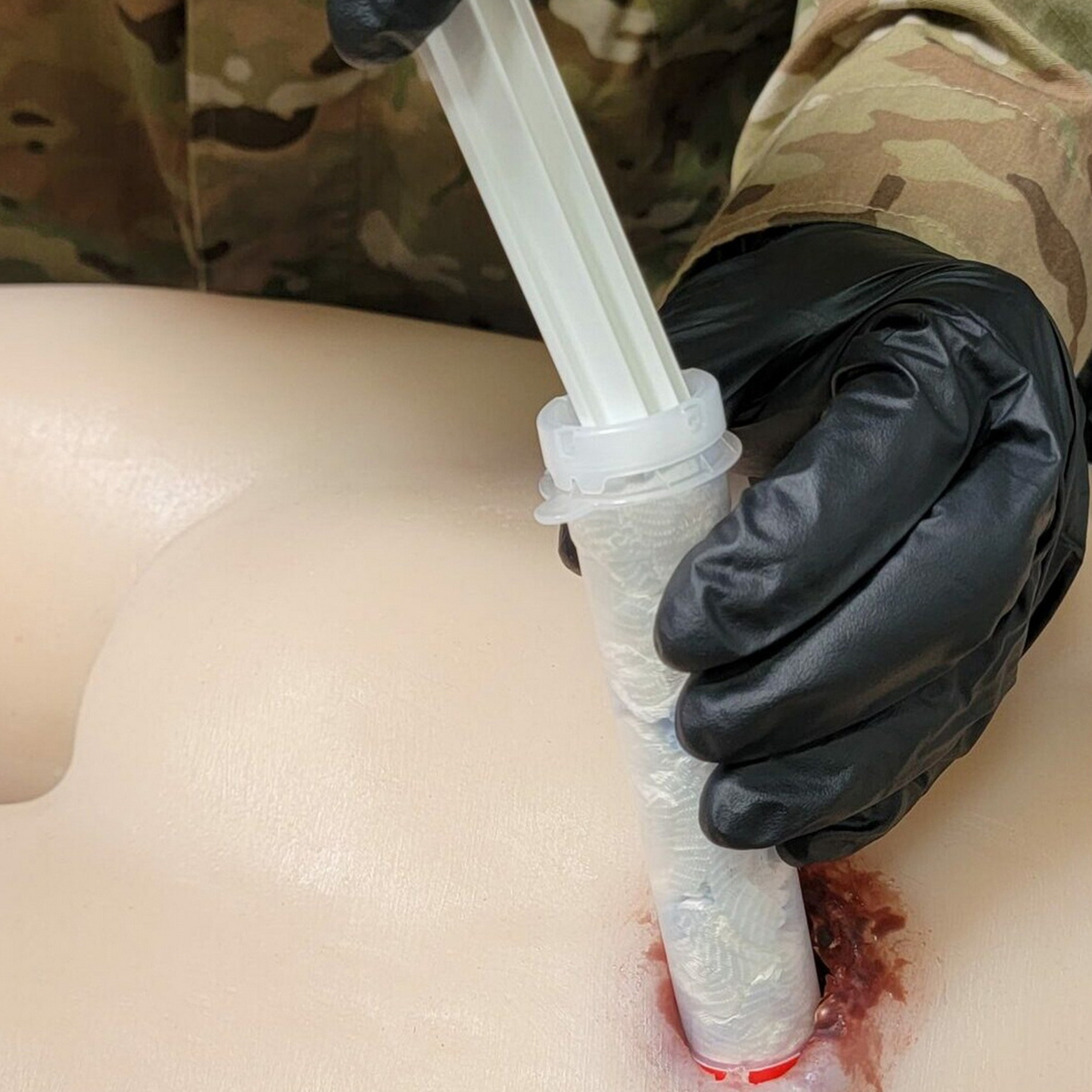
— Mechanism of action (Celox-A): Chitosan-based technology works independently of the body’s natural clotting factors and remains effective even in hypothermic conditions..
— Targeted delivery: Allows direct application of the active agent to the bleeding source in deep penetrating wounds (such as gunshot or shrapnel injuries) where finger packing is difficult.
Quality and reliability in tactical medicine
The applicator must meet tactical medicine requirements, including sterility, secure packaging, portability, and rapid deployment capability. In combat conditions, it is important that the device is compatible with pre-hospital trauma care protocols and can be used alongside tourniquets, compression bandages, hemostatic dressings, and other components of a tactical medical kit. It is recommended as an essential item in individual first aid kits for military personnel and rescuers.
Selection recommendations
Consider the intended operational environment of the applicator: combat, rescue, training, or medical use. Important factors include a reliable manufacturer, intact packaging, clear instructions, compatibility with IFAK setups, and ease of carrying. For military units, it is preferable to select devices already familiar to personnel through training. Reliability and sterility are critical selection criteria.
Frequently Asked Questions
Is training required?
Yes. Training in first aid or tactical combat casualty care is strongly recommended.
Can it replace a tourniquet?
No. It is a separate hemorrhage-control tool used depending on the type and location of bleeding.
Who should carry a hemostatic applicator?
Military personnel, medics, rescuers, and instructors.
How long can the applicator remain in the wound?
Chitosan-based hemostatic agents such as Celox are generally intended to remain in the wound for up to 24 hours. XSTAT sponges are typically designed for use up to 4–6 hours (depending on the model and manufacturer instructions) and must be removed during surgical wound treatment.