





|
Quantity
|
Out of stock
|
||
|
|
|||
|
|
|||
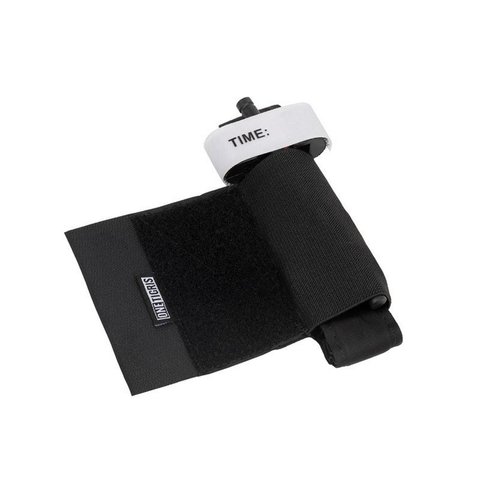
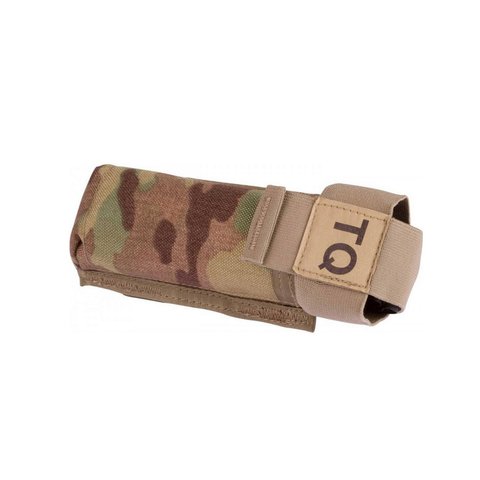
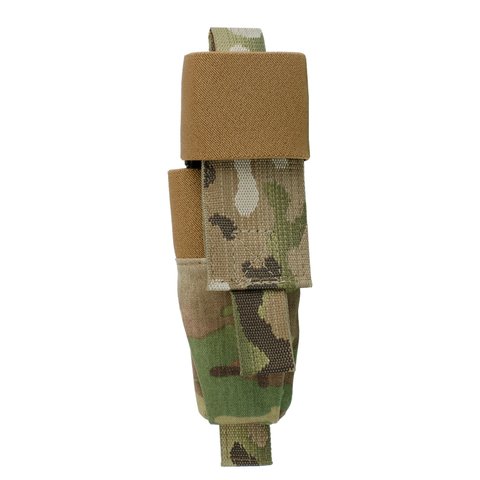
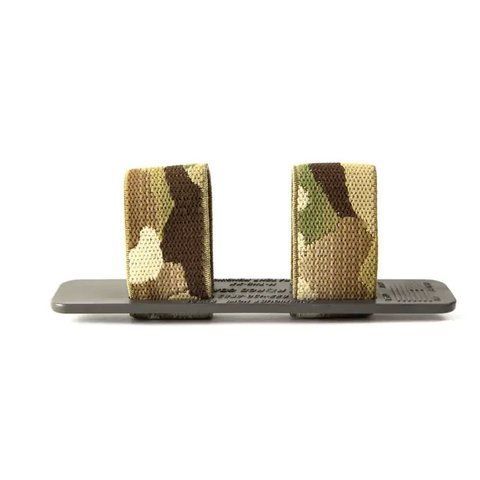
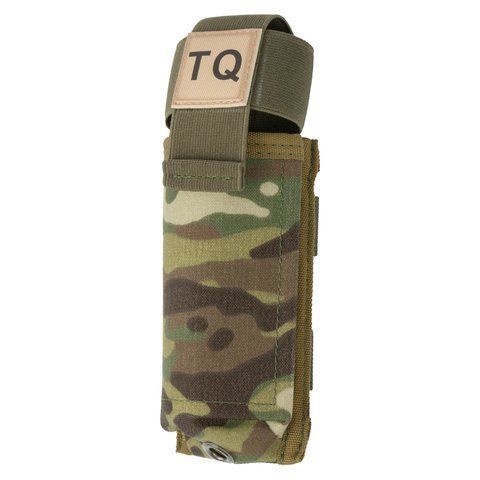
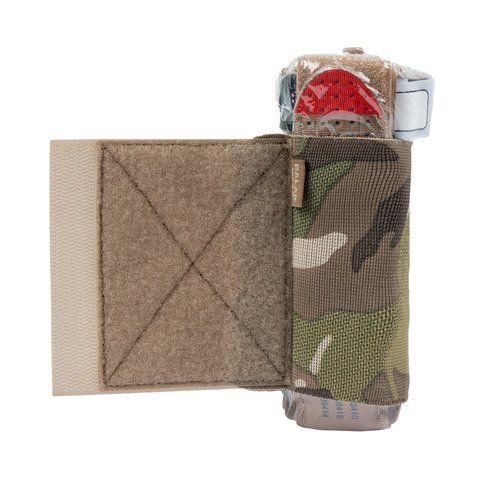
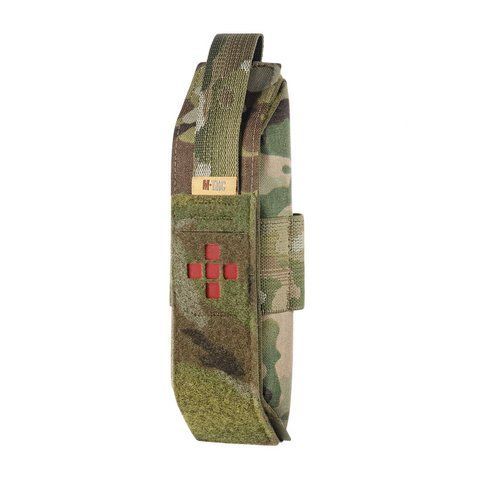
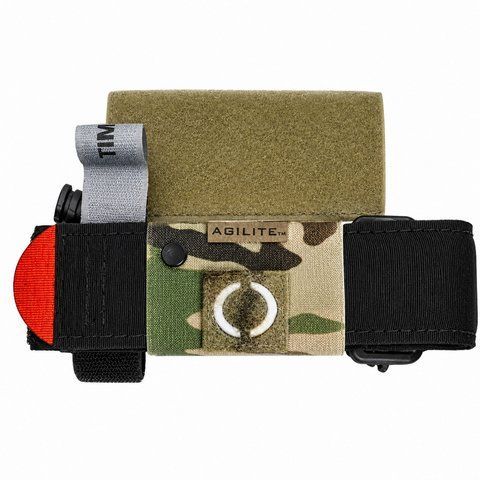
Tourniquet Pouch – Not an Accessory, But a Critical Element for Survival n combat conditions, every second counts, so the tourniquet must always be within reach, securely fixed, and protected from dirt or damage. It ensures quick access with one hand, doesn’t get lost during movement, and doesn’t interfere with task execution. It represents stability, control, and the readiness to stop bleeding at any moment.
Purpose and Use
The tourniquet pouch is used by military personnel, Territorial Defense soldiers, medics, tactical medicine instructors, and volunteers. It is worn on bulletproof vests, plate carriers, RPS (rigid tactical vests), belts, or backpacks. It is suitable for combat missions, training, evacuation of the wounded, and shifts. It is relevant wherever there is a risk of severe injuries and immediate access to a tourniquet is required.
Key Features

— Reliable retention of the tourniquet during running, crawling, and active movement without the risk of it falling out.
— Quick one-handed opening for instant access in critical situations.

— Compact dimensions with no unnecessary bulk for convenient carrying on gear.
— The design allows easy and intuitive use even while wearing gloves.

— Durable, wear-resistant materials that withstand moisture, dirt, and daily use.
— Compatible with common tourniquet models, including CAT, SOF-T, and other similarly sized models.
Compliance with Tactical Medicine Standards
The tourniquet pouch adheres to the principles of TCCC (Tactical Combat Casualty Care): quick access, reliability, and ease of use. The design does not interfere with self-aid or buddy aid, requires no complex maneuvers, and maintains functionality in stressful conditions. It is suitable for use in real combat situations and during training.
What to Consider When Choosing a Tourniquet Pouch
When choosing a tourniquet pouch, consider your own gear and the conditions of use. It is important that it fits your specific tourniquet model and secures it reliably to prevent loss. Pay attention to the attachment method—the pouch should not shift during movement. Quick access with one hand is critical. The durability of the material, which should withstand moisture, dirt, and stress, is also important.
Answers to Frequently Asked Questions
Is the tourniquet pouch universal, or does it need to be specific to a model?
Most pouches are designed for standard tourniquets like the CAT or similarly sized ones. However, some models may have tighter fixation or length limitations, so it’s recommended to check compatibility with your tourniquet before use.
Where is the best place to position it on the gear?
The optimal location is an area of immediate access, reachable with either hand. This is usually the front or side of a plate carrier, a RPS belt or strap, or the shoulder of the plate carrier, load-bearing system, or bulletproof vest.
Is it possible to use the pouch with one hand?
Yes, a quality tourniquet pouch is specifically designed for this. It should open quickly and intuitively even in stressful situations when one hand is injured or occupied. This is a fundamental requirement of tactical medicine.
What is the average weight of a tourniquet pouch?
The weight can vary depending on the material and construction, but it typically has a lightweight and compact design. This allows for easy carrying without adding extra load to your gear.