


|
Quantity
|
Out of stock
|
||
|
|
|||
|
|
|||
Intraosseous access is one of the fastest ways to administer medications in critical situations. In combat conditions, it is used when finding or accessing a vein is difficult or impossible. By providing direct access to the bone marrow, medications can act quickly and effectively. This method helps stabilize the casualty before evacuation and reduces the risk of fatal outcomes, making it indispensable in tactical medicine.
Who Uses It and Where
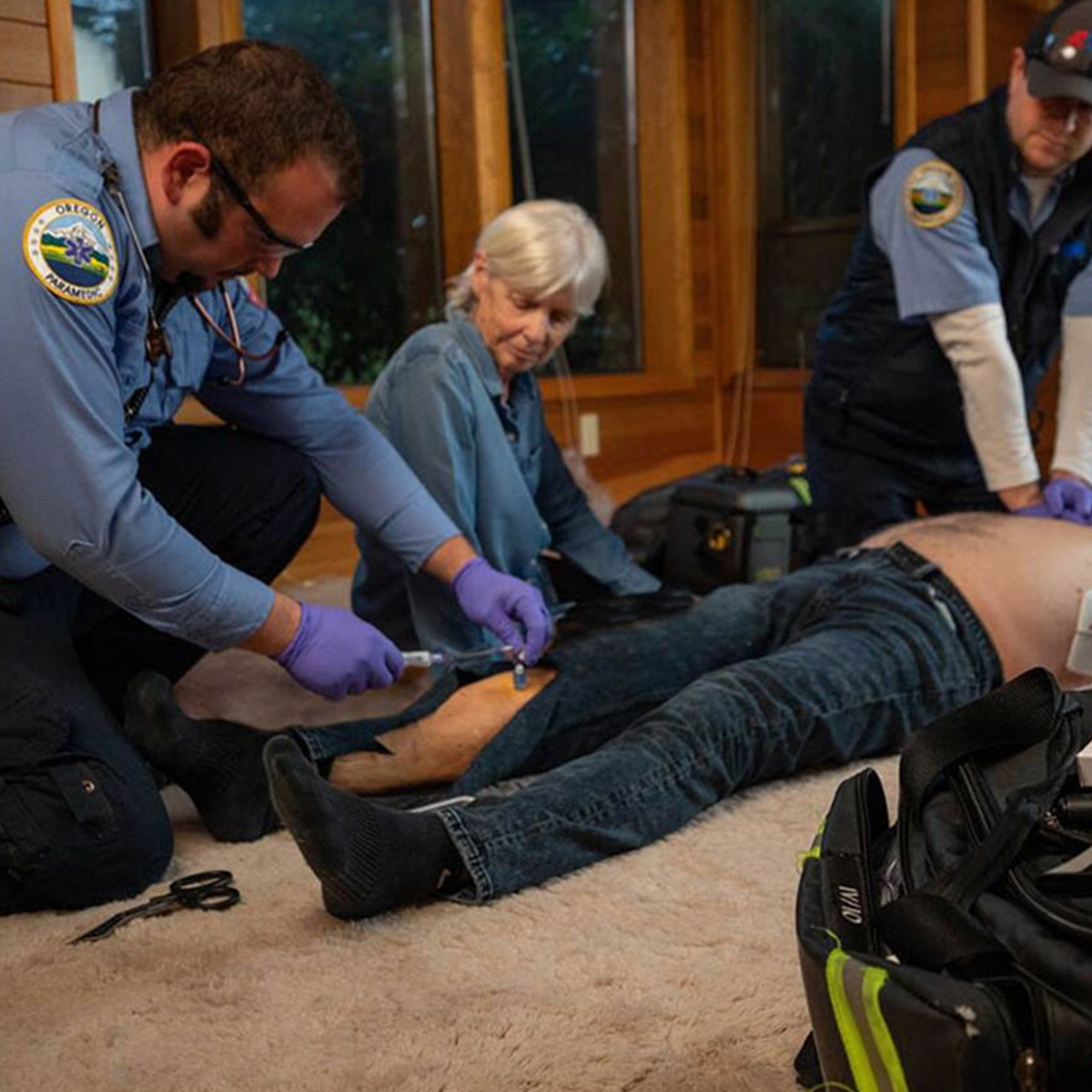
The method is used by combat medics, paramedics, and emergency physicians. It is applied on the battlefield, during evacuation, and in field hospitals. It is also widely used in civilian medicine for critical conditions such as trauma, cardiac arrest, and shock. It is a solution for situations where speed is essential and there is no time to establish venous access or when venous access is impossible.
Key Characteristics
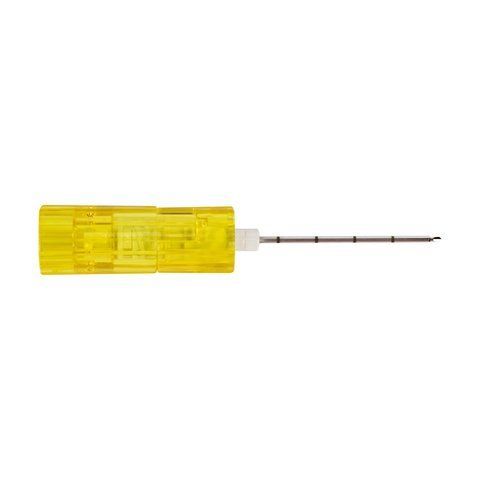
— Materials: sterile single-use needles of various sizes adapted to patient age and body mass
— Temporary access: used as a temporary solution until intravenous access can be established
— Safety: minimal risk of complications when performed correctly and under sterile conditions
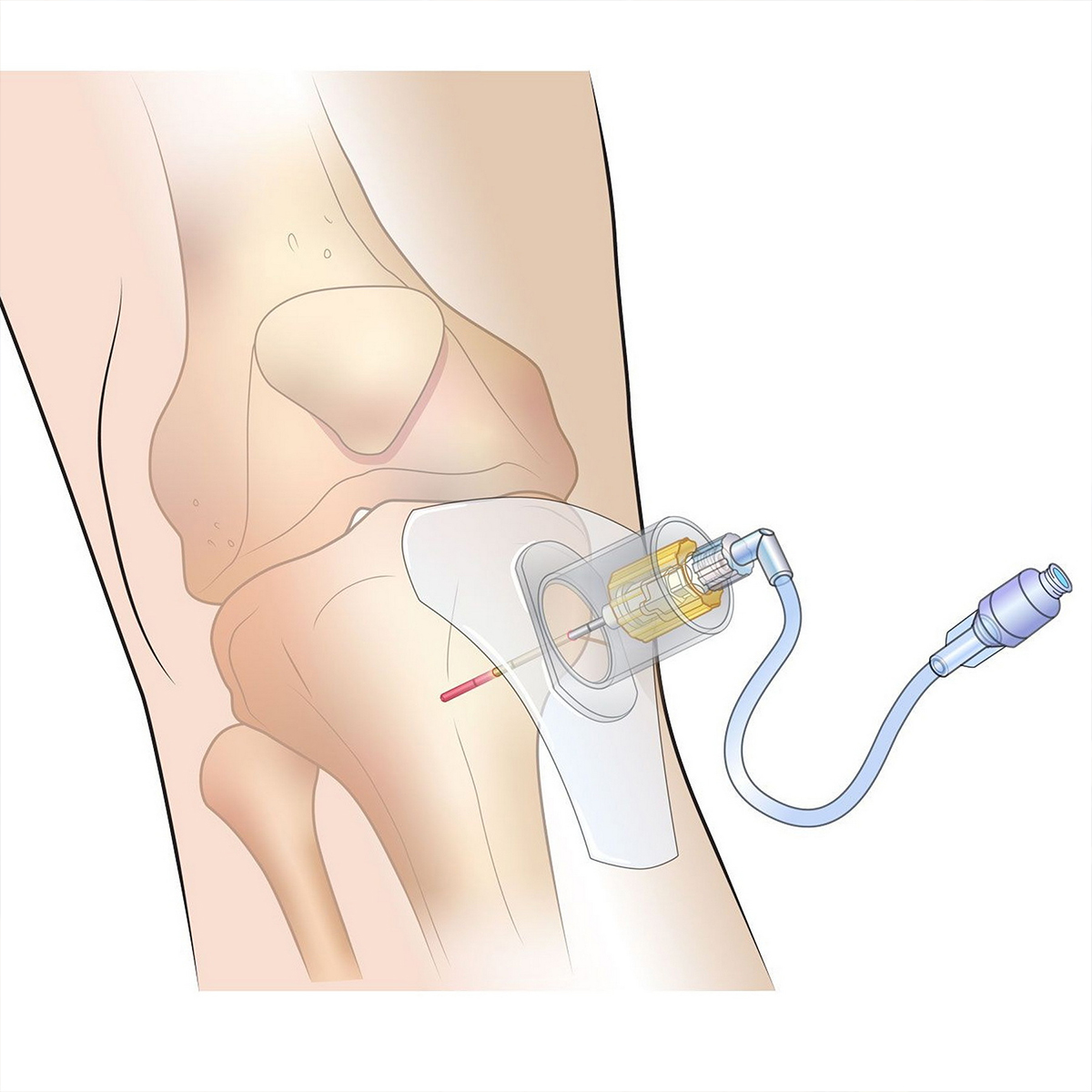
— Administration speed: medications enter the bloodstream almost as quickly as with intravenous access
— Purpose: an alternative to intravenous catheterization when IV access is unavailable or difficult to establish
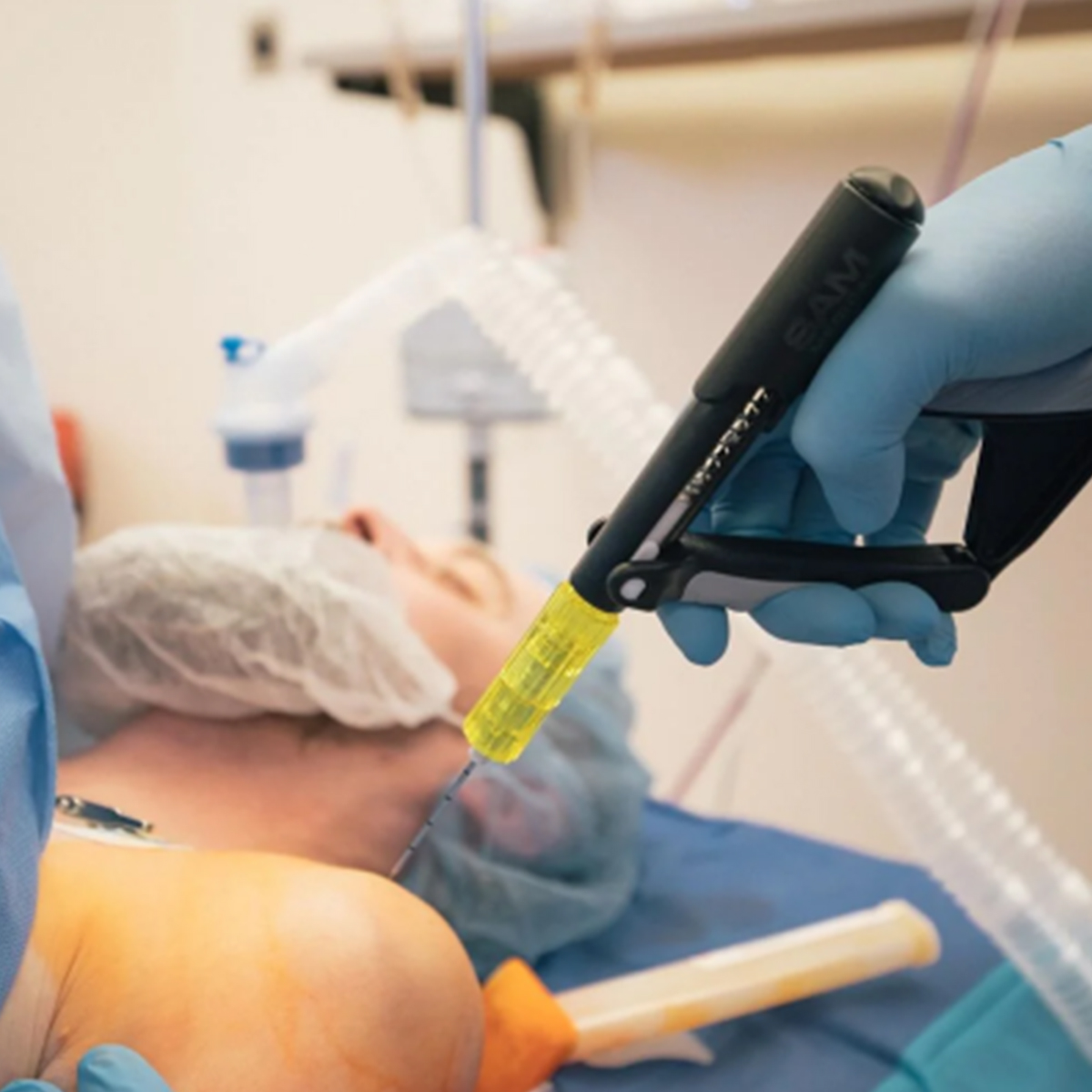
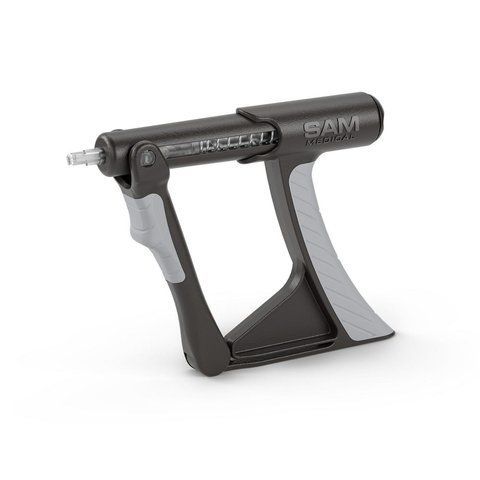
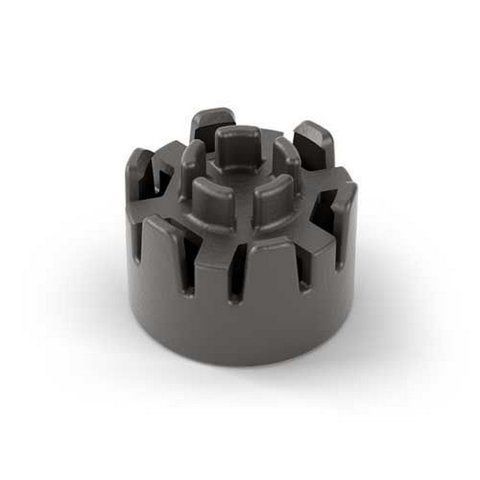
— Devices: mechanical and automatic insertion systems that provide precision and control.
— Flexibility of use: suitable for various environments including combat, disasters, and hospitals
— Anatomical sites: most commonly the tibia, humerus, or sternumі
Compliance with Tactical Medicine Standards
The intraosseous access method complies with international emergency care protocols (ATLS, PHTLS). It is widely used in both military and civilian medicine and is recommended as a standard alternative to intravenous access when rapid IV catheterization is not possible. Its effectiveness has been proven in military operations and civilian rescue services.
How to Choose
In tactical medicine, speed, minimal preparation, and access stability are essential. Pay attention to the type of device — manual or automatic — needle size, and compatibility with anatomical insertion sites and infusion systems, as these factors ensure safe medication administration. It is important that the kit is sterile, versatile, and suitable for different age groups.
What You Should Know Before Use
What is intraosseous access?
It is a method of administering medications through the bone marrow when venous access is impossible or difficult.
When is it used?
In critical conditions such as trauma, shock, cardiac arrest, as well as in combat conditions or during evacuation.
Who can perform the procedure?
Combat medics, paramedics, and emergency physicians with appropriate training.
Which bones are most commonly used?
The tibia, humerus, and sternum, as they provide rapid and reliable access.